
Cordulia shurtleffii
Scudder, 1866
American Emerald
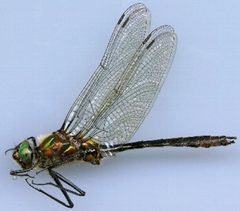
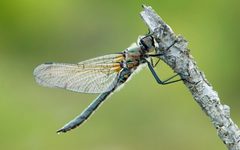
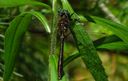
Cordulia shurtleffii, the American Emerald, is a in the Corduliidae. It is characterized by a predominantly black body with a distinctive yellow ring between abdominal segments 2 and 3. The species is distributed across North America and is one of the more frequently observed emeralds in its range.
Pronunciation
How to pronounce Cordulia shurtleffii: //kɔrˈduː.li.ə ˌʃɝːtˈlɛf.i.aɪ//
These audio files are automatically generated. While they are not always 100% accurate, they are a good starting point.
Identification
The yellow abdominal ring between segments 2 and 3 separates this from other North American emeralds in the Cordulia and similar genera such as Somatochlora. The combination of black with single yellow ring, metallic green , and clear wings distinguishes it from other emerald dragonflies which may have more extensive yellow markings or different abdominal patterns.
Images
Habitat
Associated with lakes, ponds, and slow-moving streams, particularly in forested or partially wooded areas. Breeds in permanent water bodies with emergent vegetation.
Distribution
North America, with records from Canada and the United States. Documented from Vermont and across northern and eastern portions of the continent.
Similar Taxa
- Cordulia aeneaEuropean counterpart with similar overall appearance; distinguished by geographic range and subtle differences in abdominal patterning
- Somatochlora spp.Other emerald dragonflies in same ; typically lack the distinct single yellow ring and have more extensive yellow or metallic markings on
More Details
Taxonomic history
First described by Scudder in 1866, the has remained in the Cordulia despite taxonomic revisions to related emerald dragonflies.