
Coryphaeschna ingens
(Rambur, 1842)
Regal Darner
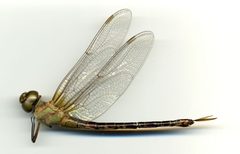
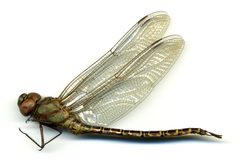
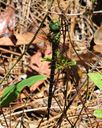
Coryphaeschna ingens, commonly known as the regal darner, is a of large in the Aeshnidae. It occurs across the Caribbean and North America, with a stable and no immediate conservation concerns. The species is recognized by its substantial size and distinctive coloration typical of the Coryphaeschna.
Pronunciation
How to pronounce Coryphaeschna ingens: /kɔːrɪˈfæsknə ˈɪndʒɛnz/
These audio files are automatically generated. While they are not always 100% accurate, they are a good starting point.
Identification
As a member of the darner Aeshnidae, Coryphaeschna ingens can be recognized by the characteristic features of the : large body size, that meet at the top of the , and a robust build. Specific diagnostic features distinguishing it from such as Coryphaeschna adnexa and Coryphaeschna diapyra would require examination of thoracic patterning, abdominal coloration, and details of the male claspers, though these specifics are not documented in the provided sources.
Images
Distribution
Caribbean; North America. The has confirmed presence records from both regions, with 1771 observations documented on iNaturalist indicating established across this range.
Similar Taxa
- Coryphaeschna adnexaOverlapping distribution in the Caribbean and North America; similar large darner requires careful examination of color pattern and structural details for separation.
- Coryphaeschna diapyraShared Neotropical distribution; in this are distinguished by subtle differences in thoracic striping and abdominal markings that may not be apparent without close inspection.
More Details
Conservation Status
The IUCN lists Coryphaeschna ingens as Least Concern (), with the status last reviewed in 2017. The is considered stable with no immediate threats to survival identified.