
Peruveleon
Miller & Stange, 2011
Species Guides
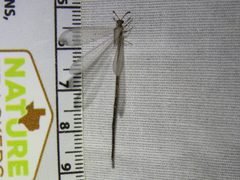
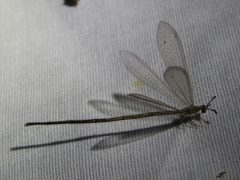
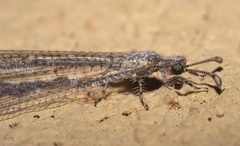
1Peruveleon is a of antlions (Myrmeleontidae) established in 2011, containing five described distributed in the Neotropical region. The genus was erected by Miller and Stange, with species previously assigned to other genera. antlions are aerial , while larvae are pit-building or debris-dwelling predators that hunt small arthropods.
Pronunciation
How to pronounce Peruveleon: /ˌpɛruːˈviːliːˌɒn/
These audio files are automatically generated. While they are not always 100% accurate, they are a good starting point.
Identification
-level identification within Peruveleon requires examination of genitalia and wing venation patterns. The can be distinguished from related Neotropical antlion genera by specific combinations of wing characters and male clasping structures, though these features require taxonomic expertise to assess.
Images
Habitat
in this occur in Neotropical terrestrial . Specific microhabitat preferences for larvae remain poorly documented, though antlion larvae generally occupy sandy or loose soil substrates suitable for pit construction or debris concealment.
Distribution
The is distributed in the Neotropical region, with records from South America including Peru and likely adjacent countries. -level distributions vary: P. bruneri is known from Cuba, P. camposi from Mexico, P. dolichogaster from Peru, P. dorsalis from Mexico and Central America, and P. indiges from South America.
Life Cycle
Antlions undergo complete with predatory larval and stages. Larvae are ground-dwelling . occurs in a silken cocoon, often in soil. Adults are aerial and presumably do not feed, or feed minimally.
Behavior
Larvae of antlions are sit-and-wait . Some construct conical pit traps in loose substrate; others conceal themselves in debris or soil. in Peruveleon has not been specifically documented.
Ecological Role
Larvae function as of small soil-dwelling arthropods, potentially including ants, , and other insects. may serve as prey for birds and other .
Similar Taxa
- MyrmeleonMyrmeleon is a large, widespread antlion ; Peruveleon were historically confused with or assigned to Myrmeleon before the 2011 revision established Peruveleon as distinct based on morphological characters.
- Other Neotropical Myrmeleontidae generaPeruveleon overlaps geographically with numerous Neotropical antlion ; precise differentiation requires examination of wing venation and genitalic structures.
More Details
Taxonomic history
The was formally established by Miller and Stange in 2011 to accommodate previously placed in other genera, particularly Myrmeleon. The type species is Peruveleon indiges (Walker, 1860), originally described as Myrmeleon indiges.
Species composition
The contains five described : P. bruneri (Cuba), P. camposi (Mexico), P. dolichogaster (Peru), P. dorsalis (Mexico, Central America), and P. indiges (South America). No additional species have been described since the genus was erected.