Paranthaclisis
Banks, 1907
Species Guides
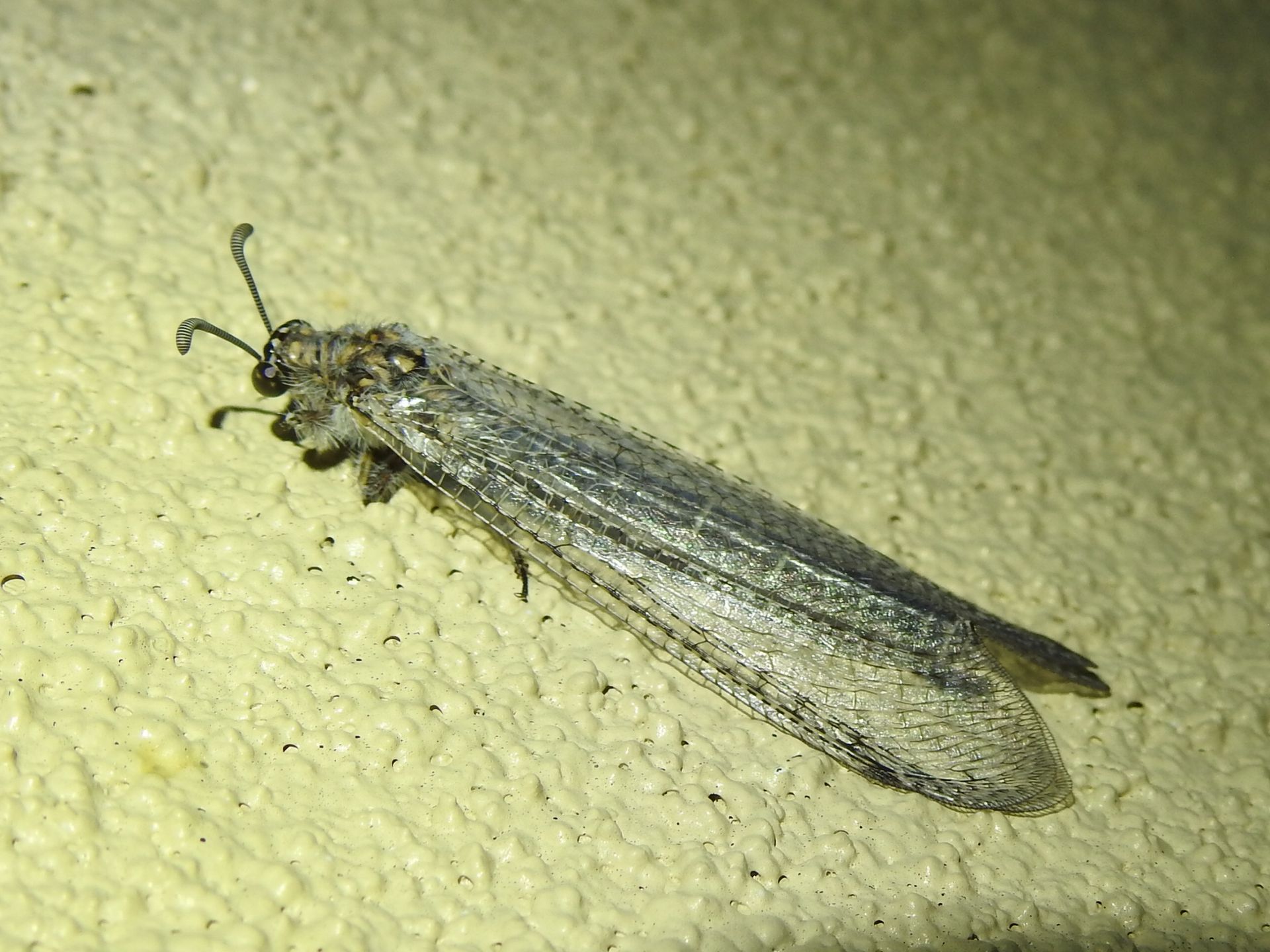
3Paranthaclisis is a of antlions in the Myrmeleontidae, established by Banks in 1907. The genus contains five described distributed in North America, with representatives in California, Florida, and Nevada. Species were described between 1861 and 2012, indicating ongoing taxonomic refinement. Larvae are presumed to be predatory pit-trap builders like other Myrmeleontidae, though specific remains poorly documented.
Pronunciation
How to pronounce Paranthaclisis: /ˌpærænθəˈklaɪsɪs/
These audio files are automatically generated. While they are not always 100% accurate, they are a good starting point.
Identification
Distinguished from other Myrmeleontidae by wing venation and genitalia characteristics; have elongated bodies with large, transparent, net-veined wings typical of antlions. -level identification requires examination of male terminalia and wing venation patterns. P. floridensis was distinguished from by Stange & Miller (2012) based on Florida distribution and subtle morphological differences.
Images
Habitat
occupy distinct regional : P. californica and P. nevadensis in arid western regions, P. floridensis in subtropical Florida, and P. congener and P. hageni with broader distributions. Sandy or loose soil substrates necessary for larval pit construction are implied by membership.
Distribution
North America: United States (California, Florida, Nevada, and broader eastern/western ranges for P. congener and P. hageni).
Ecological Role
As with other antlions, larvae likely function as sit-and-wait of small soil-dwelling arthropods; are presumed predatory or nectar-feeding though specific observations are lacking.
Similar Taxa
- MyrmeleonThe most diverse antlion ; Paranthaclisis are distinguished by more restricted distributions and subtle genitalic differences requiring examination.
- BrachynemurusAnother Nearctic antlion ; of Paranthaclisis generally lack the extreme wing elongation seen in some Brachynemurus .
More Details
Taxonomic history
The was established by Nathan Banks in 1907. Two (P. congener and P. hageni) were transferred from other genera (Hagen originally described in Myrmeleon; Banks described hageni in Brachynemurus), reflecting historical instability in antlion generic classification.
Recent species description
P. floridensis was described as recently as 2012 by Stange & Miller, suggesting that additional cryptic diversity may exist within the , particularly in undersampled regions.