
Nineta gravida
(Banks, 1911)
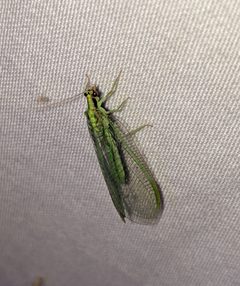
Nineta gravida is a of green lacewing in the Chrysopidae, described by Banks in 1911. It belongs to a characterized by specific wing venation patterns and reproductive structures. The species is known from North America, though detailed biological information remains limited.
Pronunciation
How to pronounce Nineta gravida: //naɪˈniːtə ˈɡrævɪdə//
These audio files are automatically generated. While they are not always 100% accurate, they are a good starting point.
Identification
Members of the Nineta are distinguished from other Chrysopidae by the presence of a pseudomedia in the forewing that arises from the radial sector, and by male genitalic structures. -level identification within Nineta requires examination of male genitalia and detailed wing venation patterns. N. gravida specifically may be separated from by subtle differences in these structures, though precise diagnostic features require taxonomic literature.
Images
Distribution
North America. Specific regional records are sparse in available sources.
Ecological Role
As with other Chrysopidae, and larvae are likely predatory on small arthropods, contributing to natural pest control in their , though specific observations for N. gravida are not documented.
Similar Taxa
- Nineta flavaAnother North American in the same ; requires genitalic examination to distinguish.
- Other Chrysopidae genera (e.g., Chrysopa, Ceraeochrysa)Similar green coloration and general ; Nineta is distinguished by forewing venation with pseudomedia arising from radial sector rather than more origin.
More Details
Taxonomic note
The was originally described by Nathan Banks in 1911. The Nineta has undergone taxonomic revision, with some species historically placed in related genera. N. gravida is among the less frequently documented species in the genus, with limited specimen records in public databases.
Data availability
As of current sources, iNaturalist records 19 observations, suggesting the is encountered infrequently or is underreported relative to more common chrysopids.