Chrysoperla plorabunda
(Fitch, 1855)
Weeping Green Lacewing
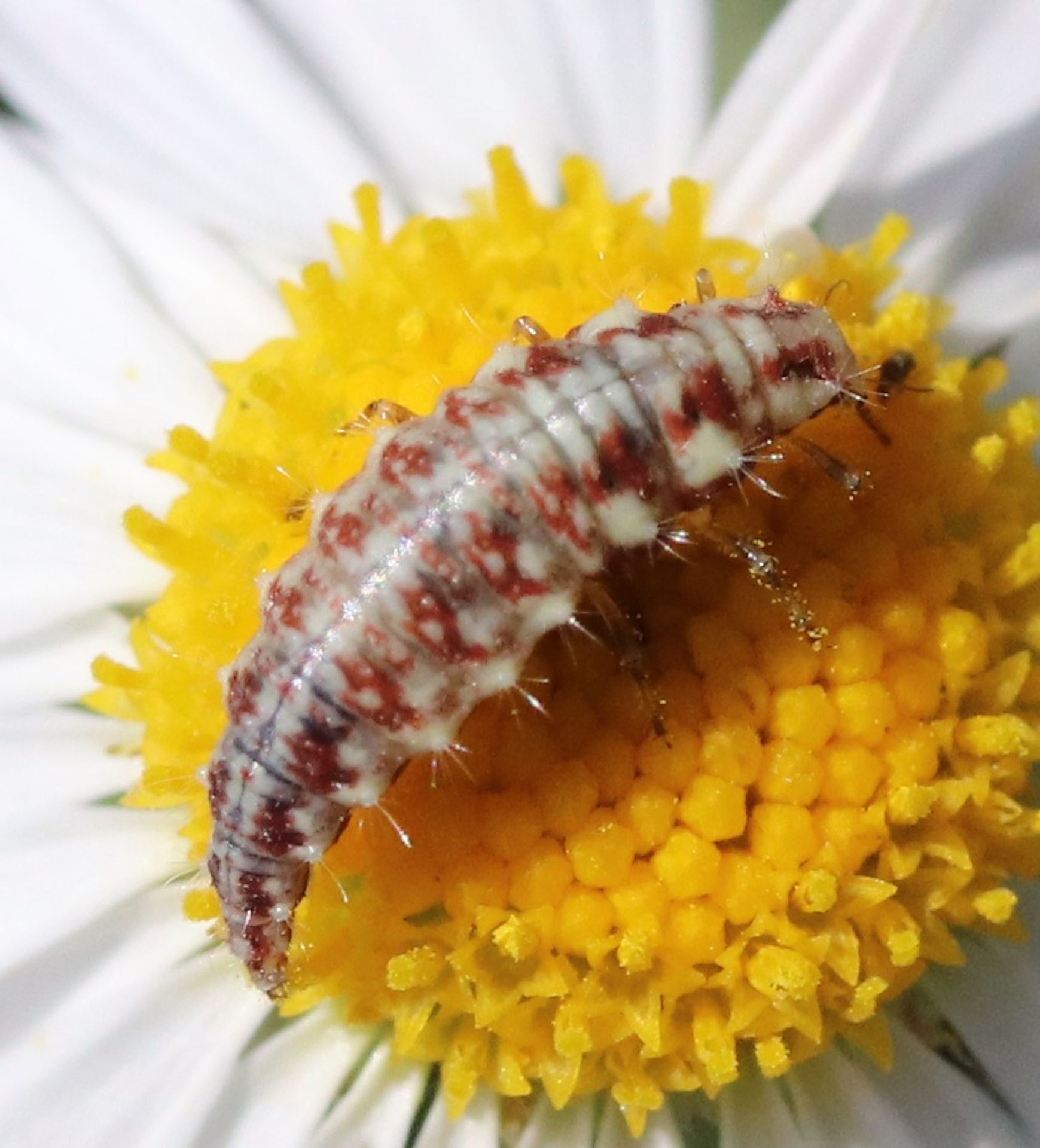
Chrysoperla plorabunda, known as the weeping , is a in the cryptic Chrysoperla carnea complex. are 12–20 mm in length with forewings 9–14 mm. The species is distinguished from other members of the complex primarily by substrate-borne vibrational mating songs rather than morphological differences. Adults feed on nectar and honeydew, while larvae are predatory on soft-bodied arthropods. The species exhibits color , with adults typically bright green but capable of shifting to brown during induction.
Pronunciation
How to pronounce Chrysoperla plorabunda: //ˌkrɪs.oʊˈpɜr.lə ˌploʊ.rəˈbʌn.də//
These audio files are automatically generated. While they are not always 100% accurate, they are a good starting point.
Identification
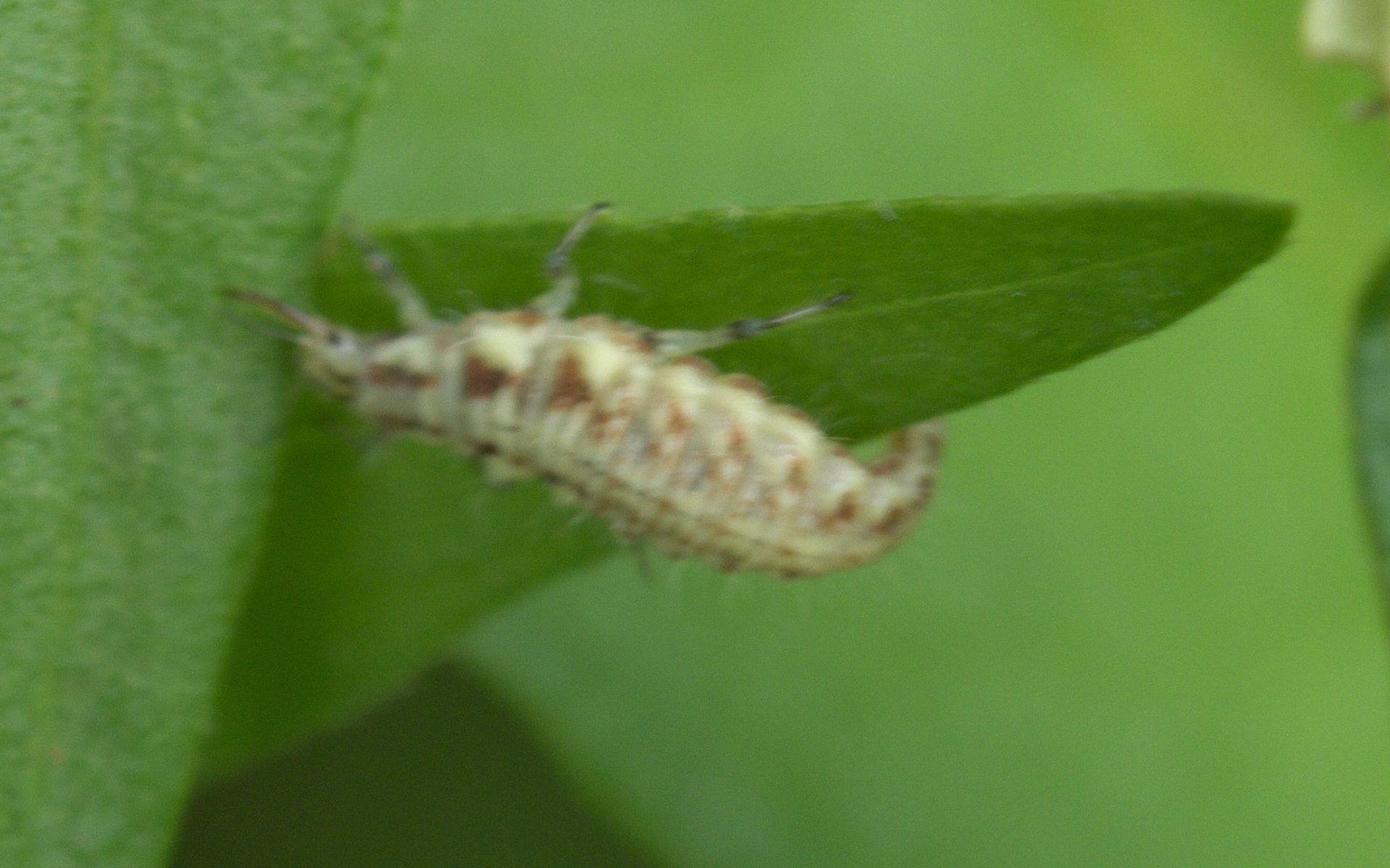
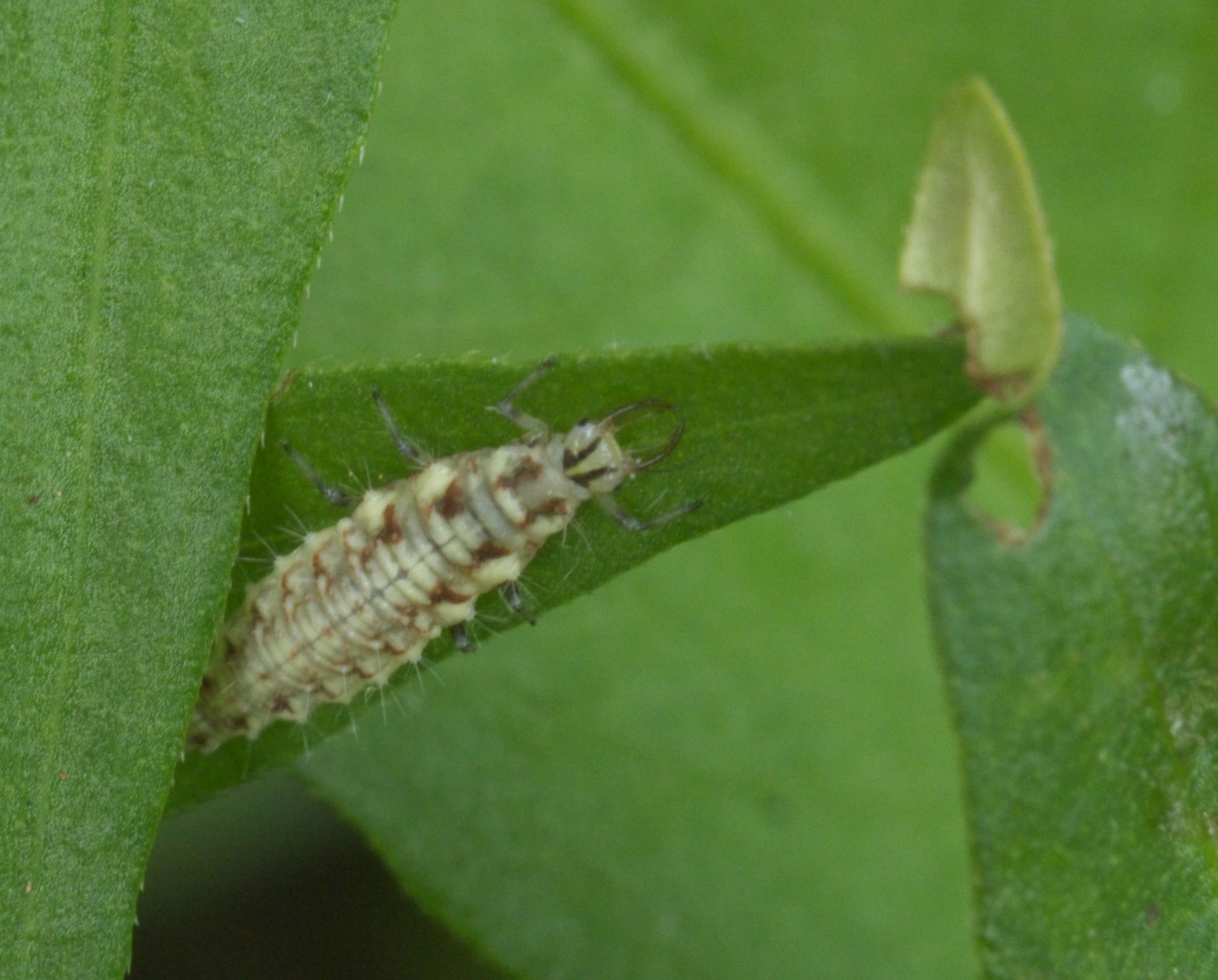
C. plorabunda is morphologically indistinguishable from other members of the C. carnea complex; identification requires analysis of substrate-borne vibrational songs. range 12–20 mm in body length with forewings 9–14 mm. Coloration is typically bright green in active reproductive adults, with a yellow stripe down the center of the body and a dark brown stripe on the . During , adults shift to brown coloration that may persist after diapause termination until temperatures rise. Larvae emerge brown and acquire green coloration at the pupal stage.
Images
Habitat
Open including grasslands, cultivated fields, edges of deciduous forests, and within coniferous forests.
Distribution
Widespread across North America, ranging from coast to coast from northern Canada to Mexico.
Seasonality
Reproductive period occurs under long-day conditions (13–14+ hours daylight). Reproductive is induced by short-day conditions (12–13 hours or less daylight), with timing varying geographically— in colder climates enter diapause earlier than those in warmer regions.
Diet
feed predominately on nectar and honeydew. Larvae are predatory, feeding on soft-bodied arthropods including aphids, mites, and other small insects.
Life Cycle
Females lay several hundred small over their lifetime (average ~780 eggs, with ~64-day oviposition period). Eggs hatch in 3–6 days. Larvae pass through three instars over two to three weeks before spinning a cocoon. occurs 10–14 days after cocoon formation. Newly emerged adults undergo obligatory for at least two nights (averaging ~40 km per night) before responding to food stimuli and seeking reproductive opportunities.
Behavior
Larvae exhibit tonic immobility ("death feigning") when near , a motionless posture more likely in individuals with lower energy reserves. Larvae also possess biting , paralytic and digestive venoms, and deterrent anal secretions. Newly emerged undertake obligatory migratory for at least two nights regardless of food or mate availability. Adults communicate through substrate-borne vibrational duets; males engage in fast duets with other males that speed up and terminate suddenly, with females preferentially mating with winners of these contests. Both sexes exhibit polygynandrous mating, with males mating with 22–30 females (though sperm depletion limits success to first two females) and females mating with ~4 males.
Ecological Role
Larvae function as of soft-bodied arthropods, particularly aphids and mites, providing services in agricultural and natural .
Human Relevance
Used as a agent for and mite pests. Commercial insectaries have historically distributed members of the C. carnea complex, sometimes mislabeled due to cryptic status.
Similar Taxa
- Other Chrysoperla carnea complex speciesMorphologically identical; distinguished only by substrate-borne vibrational song patterns, with C. plorabunda occupying a distinct acoustic space that functions as a prezygotic isolating mechanism.
- Chrysoperla zastrowiAnother member of the C. carnea complex recently naturalized in the Americas; distinguished by vibrational songs and climatic preferences for hot, arid .
Sources and further reading
- BugGuide
- Wikipedia
- GBIF taxonomy match
- iNaturalist taxon
- NCBI Taxonomy
- Catalogue of Life
- Primary Type List | Entomology Research Museum
- Drought-Tolerant, Aphid-Hungry Lacewing Species Arrives in Americas
- Bug Eric: Last Night to Blacklight?
- Sulfoxaflor Found to Be Less Harmful to Beneficial Predators of Soybean Aphids
- Stories about small insects and making a big difference - Buglife Blog - Buglife
- Bug Eric: Blacklighting Already?
- Predation, behavior, and attachment by Chrysoperla plorabunda larvae on Brassica oleracea with different surface waxblooms