Pedetontus saltator
Wygodzinsky & Schmidt, 1980
jumping bristletail
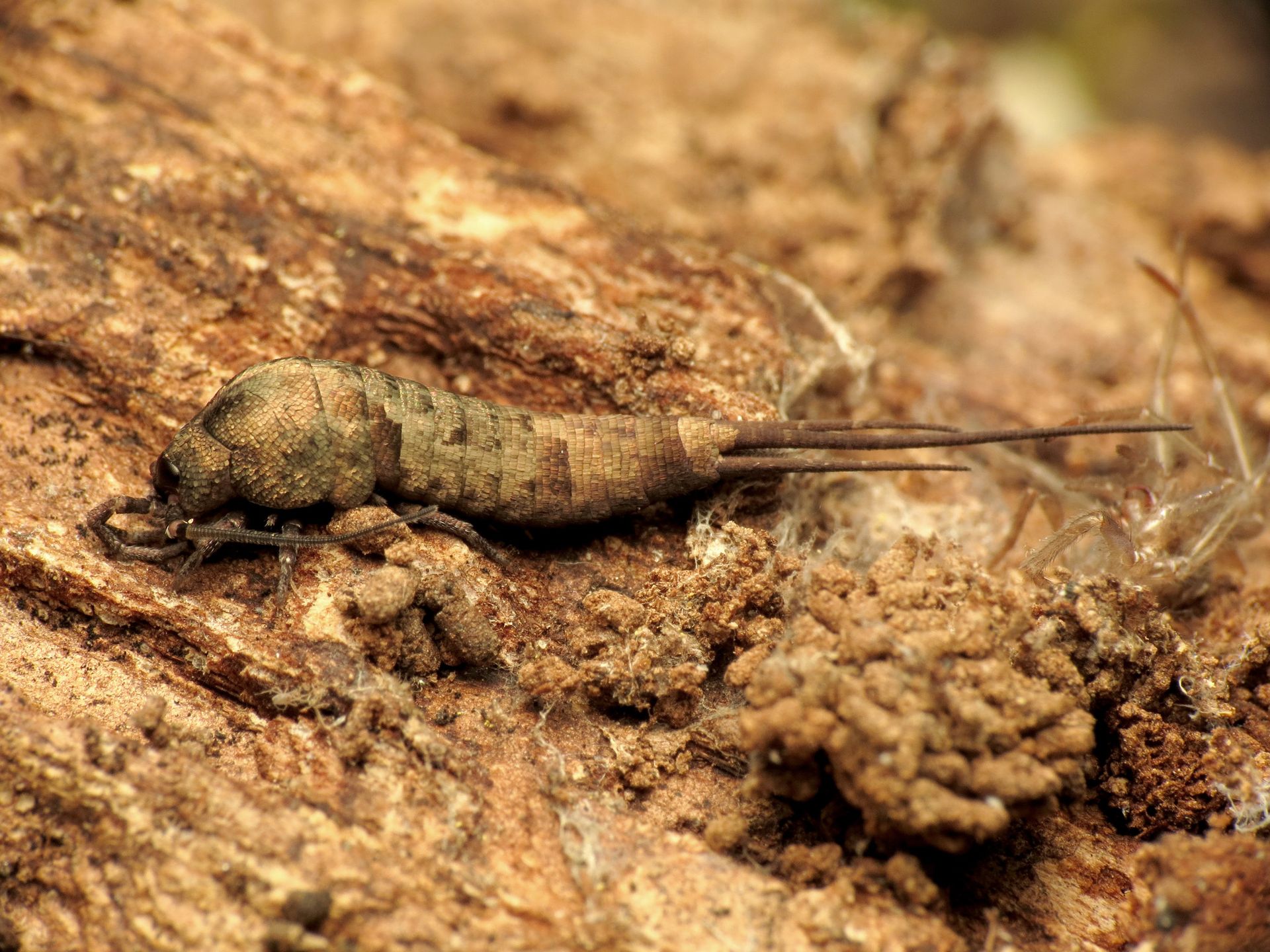
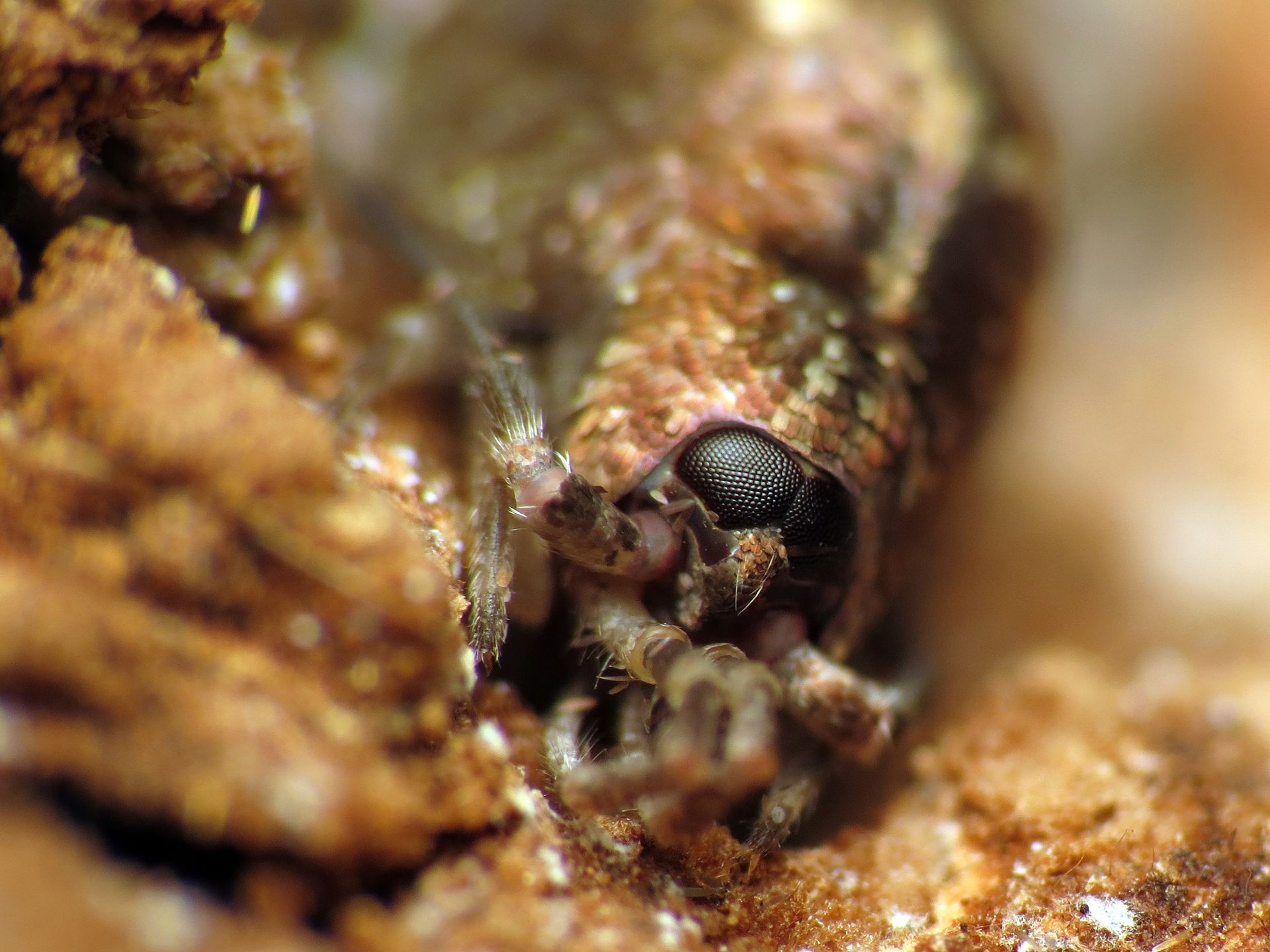
Pedetontus saltator is a of jumping , a primitive wingless insect in the Machilidae. It is found in North America, including records from Vermont in the United States. As a member of , it represents one of the most basal lineages of living insects, retaining characteristics of early insect evolution.
Pronunciation
How to pronounce Pedetontus saltator: /ˌpɛdəˈtɒntəs ˈsæltətɔːr/
These audio files are automatically generated. While they are not always 100% accurate, they are a good starting point.
Identification
Pedetontus saltator can be distinguished from other bristletails by its combination of features typical of the Pedetontus within Machilidae. The epithet 'saltator' refers to its jumping ability. Definitive identification to species level requires examination of morphological characters and comparison with described by Wygodzinsky & Schmidt in 1980.
Images
Distribution
North America, with confirmed records from Vermont, United States.
Behavior
The name 'saltator' indicates jumping capability, a characteristic of jumping bristletails that enables rapid escape from .
More Details
Taxonomic authority
The was formally described by Wygodzinsky & Schmidt in 1980.
iNaturalist observations
The has 1,416 observations recorded on iNaturalist, indicating it is relatively frequently encountered by naturalists.
Evolutionary significance
As a member of order , Pedetontus saltator belongs to one of only two surviving orders of primitive wingless insects (the other being Zygentoma, silverfish), representing an ancient lineage that diverged from other insects over 400 million years ago.
Sources and further reading
- BugGuide
- Wikipedia
- GBIF taxonomy match
- iNaturalist taxon
- NCBI Taxonomy
- Grasshoppers of Colorado
- Orthoptera | Beetles In The Bush | Page 5
- Why One Entomologist Had to Become a "Coordination Gladiator"
- What’s that on an oak leaf? Animal? Plant? Fungus? Nah, gall insect – Galls wasps, Cynipidae — Bug of the Week
- Driftwood: The real treasure lining our beaches. - Buglife Blog - Buglife
- Uncategorized | Blog - Part 12