
Thesprotia
Stål, 1877
Grass-like mantids
Species Guides
1- Thesprotia graminis(American grass mantis)
Thesprotia is a of small, cryptic praying mantids in the Thespidae. in this genus are known for their grass-like appearance and exceptional camouflage among vegetation. The genus contains 14 Neotropical species, with most distributed in South America and one species, Thesprotia graminis, occurring in the southeastern United States. These mantids are considered beneficial due to their predatory habits.

Pronunciation
How to pronounce Thesprotia: //θɛsˈproʊtiə//
These audio files are automatically generated. While they are not always 100% accurate, they are a good starting point.
Identification
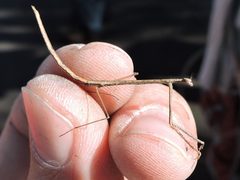
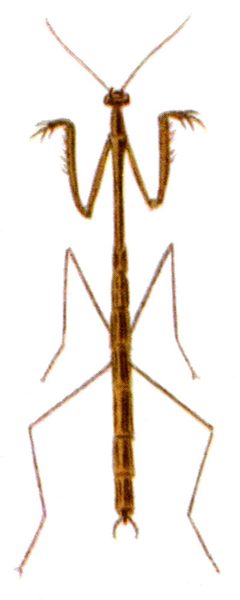
Distinguished from stick insects () by the presence of forelegs with spines adapted for catching prey. When forelegs are held directly in front of the body, individuals may superficially resemble grass blades or twigs, but the modified forelimbs reveal their identity as mantids. Small body size and cryptic coloration in shades of light brown to green aid in concealment among pine needles and grasses.
Images
Habitat
Grasses and pine needles; vegetation providing structural cover for camouflage.
Distribution
primarily Neotropical with 14 in South America; Thesprotia graminis occurs in the southeastern United States (type locality: Gainesville, Florida).
Diet
Insectivorous; predatory on other insects.
Behavior
Cryptic posture with forelegs extended forward along the body, enhancing resemblance to grass blades or pine needles. Relies on camouflage for avoidance and ambush .
Ecological Role
of other insects; considered beneficial to humans due to insectivorous lifestyle.
Human Relevance
Considered beneficial for of insect ; appreciated for aesthetic appeal.
Similar Taxa
- Phasmatodea (stick insects)Superficially similar when forelegs are held forward along body, but distinguished by forelimbs with spines in Thesprotia versus unmodified legs in stick insects.
More Details
Taxonomic history
The was established by Stål in 1877. The type for the genus is Thesprotia graminis (Scudder, 1878), originally described from a male specimen collected in Gainesville, Florida and vouchered at the Academy of Natural Sciences in Philadelphia.
Etymology
The name derives from Thesprotia, a regional unit of Greece in Epirus, named after the ancient Greek tribe of Thesprotians.