Statilia
Stål, 1877
Species Guides
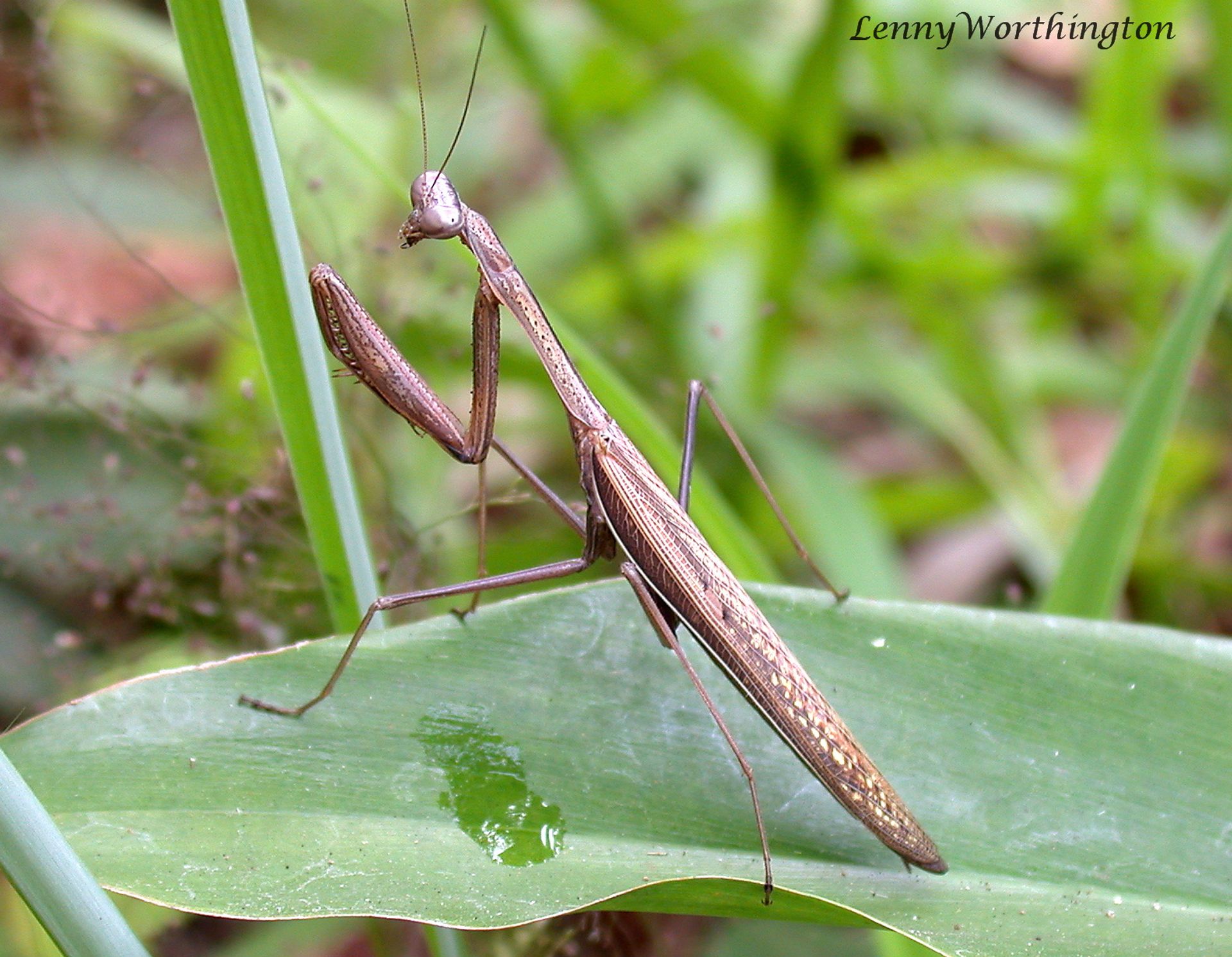
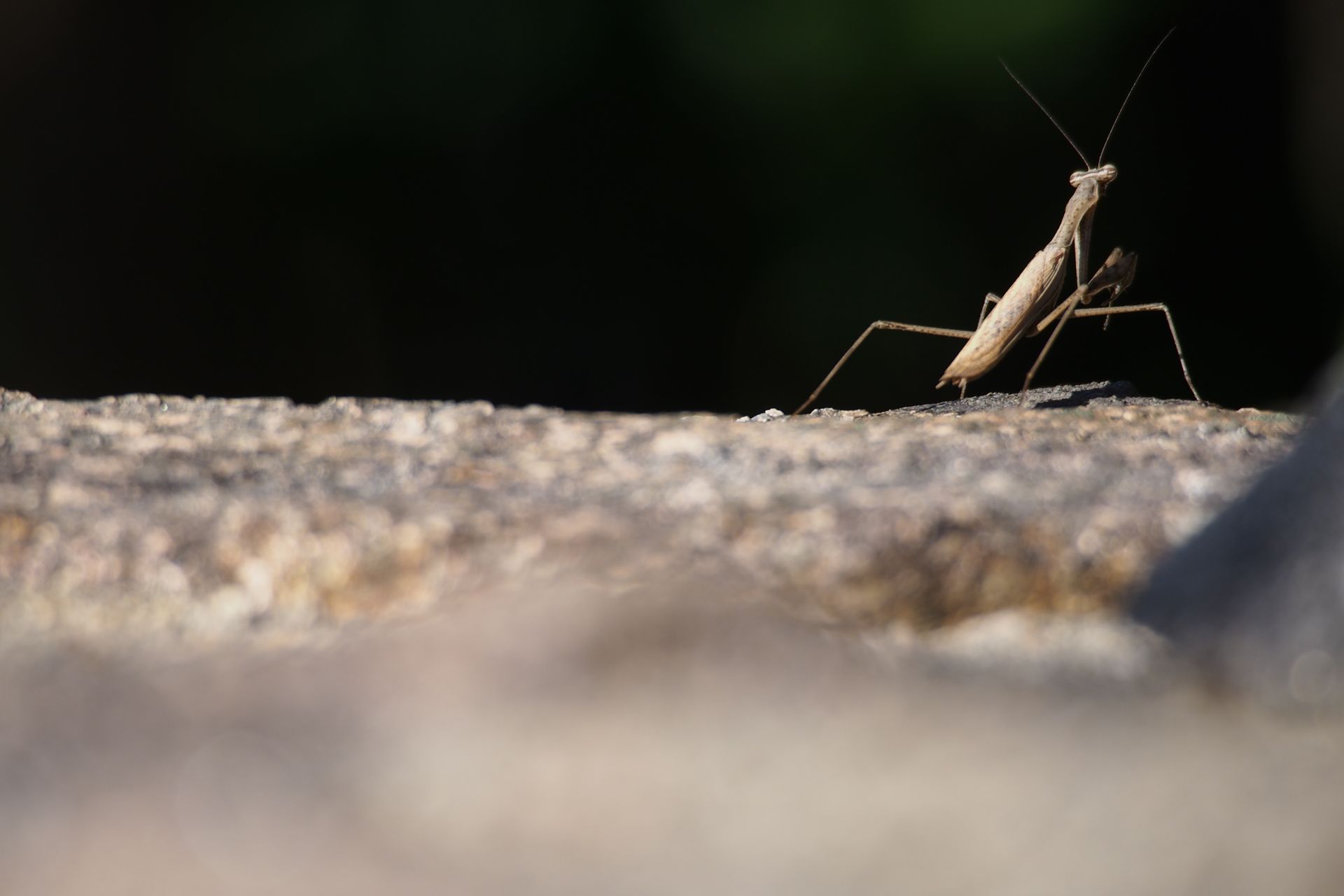
1- Statilia maculata(Asian jumping mantis)
Statilia is a of praying mantises in the Mantidae, Mantinae, established by Carl Stål in 1877. within this genus are distributed across Australia, Africa, Asia, and Pacific islands. They are characterized by grass-like cryptic appearance, resembling dead or living grass. The genus includes at least 15 described species, with S. nemoralis designated as the type species.
![Statilia maculata by Opencage]]. Used under a CC BY-SA 2.5 license.](https://bugswithmike.nyc3.digitaloceanspaces.com/wikipedia/arthropoda/hexapoda/insecta/mantodea/mantidae/mantinae/statilia/maculata/Statilia_maculata.jpg)
Pronunciation
How to pronounce Statilia: //stæˈtɪliə//
These audio files are automatically generated. While they are not always 100% accurate, they are a good starting point.
Identification
in this can be distinguished from similar mantids by their grass-mimicking cryptic . Statilia maculata specifically exhibits shorter cercal setae with scaly bases compared to the related genus Hierodula. Females possess more cercal articles (12–18) than males (12–16), with correspondingly longer . The cerci bear four types of : sensilla filiformia arranged in circular patterns on articles, sensilla chaetica (with subtypes ScI and ScII) distributed across the entire surface, sensilla campaniformia, and cuticular pores.
Images
Habitat
Low-lying weeds and shrubs in tropical, subtropical, and temperate regions. This ground-level or understory preference contrasts with -dwelling relatives such as Hierodula patellifera.
Distribution
Australia, Africa, Asia, and Pacific islands. Statilia maculata has been documented from Guangdong Province, China, in East Asian regions.
Life Cycle
Nymphal and stages exhibit different defensive strategies when facing natural enemies.
Behavior
Defensive strategies vary developmentally: nymphs and respond differently to threats from natural enemies such as the lizard Takydromus tachydromoides. Unlike some co-occurring , Statilia maculata does not switch defense strategies based on distance to , nor does it display aggressive reactions during any developmental stage. Cercal detect airflow, vibration, and chemical signals, functioning in predation avoidance, courtship, and attitude control. Females use cercal mechanoreceptors for oviposition substrate assessment and formation; males use them for detecting tactile and vibrational cues during courtship.
Ecological Role
Predatory insect with value. Serves as prey for lizards such as Takydromus tachydromoides.
Similar Taxa
- HierodulaSimilar cercal ultrastructure but distinguished by (Hierodula patellifera occupies tall tree vs. low-lying vegetation in Statilia), longer cercal setae without scaly bases, and different defensive strategy plasticity.
- TenoderaCo-occurring that exhibits distance-dependent defensive strategy switching and aggressive reactions in later instars— absent in Statilia maculata.
More Details
Cercal Sensilla Zonation
A four-zone partition (I–IV) has been proposed for Statilia maculata based on arrangement, reflecting functional specialization: region with robust mechanoreceptors for mating and oviposition; central multimodal hub for courtship and mating cue integration; region simplified for close-range substrate assessment.
Sources and further reading
- BugGuide
- Wikipedia
- GBIF taxonomy match
- iNaturalist taxon
- NCBI Taxonomy
- Catalogue of Life
- The Cercal Sensilla of the Praying Mantis Hierodula patellifera and Statilia maculata: A New Partition Based on the Cerci Ultrastructure
- Stage-Specific Defensive Strategies of Three Mantid Species, Tenodera aridifolia, Hierodura patellifera, and Statilia maculata, Against a Natural Enemy, Takydromus tachydromoides