
Perola
Walker, 1855
Species Guides
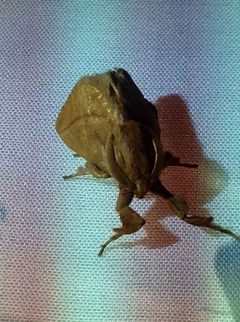
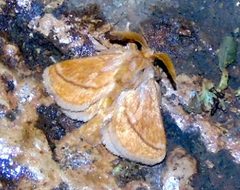
1Perola is a of in the Limacodidae, the slug caterpillar moths. These moths are primarily Neotropical in distribution. The genus was established by Francis Walker in 1855. Limacodidae moths are known for their distinctive caterpillars that possess reduced and move with a slug-like locomotion.

Pronunciation
How to pronounce Perola: /ˈpɛ.rɔ.la/
These audio files are automatically generated. While they are not always 100% accurate, they are a good starting point.
Identification
Separation from other Limacodidae requires examination of genitalia and wing venation patterns. Perola generally lack the prominent tufts or crests seen in some related genera such as Euclea or Isa. The combination of Neotropical distribution, moderate size, and relatively plain wing patterning helps distinguish the genus, though definitive identification to species level often requires dissection and comparison with .
Images
Habitat
Tropical and subtropical forests, particularly in lowland and mid-elevation regions. include primary and secondary rainforest, cloud forest edges, and wooded areas with suitable plants for larval development.
Distribution
Neotropical region, ranging from Mexico through Central America and into South America, including the Caribbean. Records extend from northern Argentina and southern Brazil northward through the Amazon basin and into Mesoamerica.
Seasonality
activity patterns vary by latitude and elevation. In tropical lowlands, adults may be present year-round with peaks during wet seasons. At higher elevations or in subtropical areas, activity is more concentrated in warmer months.
Life Cycle
Complete with , larva, pupa, and stages. Larvae are the distinctive slug caterpillars characteristic of Limacodidae, with reduced and sucker-like structures replacing the typical (hooked spines) on abdominal prolegs. Larvae move with a slow, gliding motion. occurs in a cocoon, often attached to leaves or bark.
Behavior
are and attracted to light. Larvae are solitary feeders. Many Limacodidae larvae, including those of Perola, possess urticating (stinging) setae or spines for defense, though the specific defensive chemistry of Perola has not been extensively documented.
Ecological Role
Larvae function as herbivores, consuming foliage of various plants. Their feeding damage is typically localized and not economically significant. may serve as for some nocturnally flowering plants, though specific interactions are poorly documented. Larvae are prey for various and vertebrate , with their stinging spines providing a chemical defense.
Human Relevance
Minimal direct economic impact. Larval stinging spines can cause mild to moderate dermatitis in humans upon contact, similar to other Limacodidae. Not a significant agricultural pest. Occasionally encountered by field biologists and naturalists in Neotropical forests.
Similar Taxa
- IsaAnother Limacodidae with Neotropical distribution; Isa larvae often have more prominent paired processes and may show more contrasting wing patterns
- EucleaShares and distribution; Euclea often have more pronounced thoracic tufting and larvae frequently display brighter coloration with distinct
- AchariaOverlapping range; Acharia tend to be larger with more elongate forewings and different male genitalia structure
More Details
Taxonomic History
Walker originally described Perola in 1855 based on specimens from South America. The has undergone periodic revision, with some transferred to or from related genera based on genitalic and larval character studies. Modern molecular of Limacodidae has confirmed Perola as a distinct lineage within the , though relationships among genera remain partially unresolved.
Research Needs
data for most Perola are lacking. plant records are sparse and often anecdotal. The defensive chemistry of larvae has not been characterized, and the would benefit from comprehensive revision combining morphological and molecular data.