
Ypsolopha angelicella
(Busck, 1903)
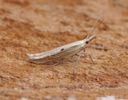
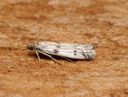
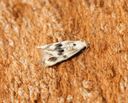
Ypsolopha angelicella is a small in the Ypsolophidae, first described by Busck in 1903 as Cerostoma angelicella. The is known from the United States, particularly California. have distinctive white coloration with contrasting dark markings, and like other ypsolophid moths, exhibit unusual resting posture with the body inverted and extended forward.
Pronunciation
How to pronounce Ypsolopha angelicella: /ˌɪp.soʊˈloʊ.fə ænˌdʒɛl.ɪˈsɛl.lə/
These audio files are automatically generated. While they are not always 100% accurate, they are a good starting point.
Identification
The combination of small size (19–22 mm wingspan), white ground color with fawn-brown forewing ornamentation, and distinctly banded black-and-white separates this from similar ypsolophids. The yellowish shoulder patches and shining ochreous hindwings provide additional diagnostic characters. The original description by Busck (1903) and the distinctive wing pattern should be consulted for definitive identification.
Images
Appearance
Small with wingspan of 19–22 mm. white with sharp black annulations. Palpi, and white; shoulders yellowish. Forewings white with striking fawn-brown ornamentation. Hindwings shining ochreous white. Legs and underside of body white.
Distribution
United States, including California. Specific associations within this range are not documented in available sources.
Behavior
rest in the characteristic ypsolophid posture: body inverted (bottom up) with stretched forward. Adults fly to light infrequently, making collection difficult by standard sampling methods.
Similar Taxa
- Other Ypsolopha speciesShare characteristics including small size, distinctive resting posture, and generally pale coloration with contrasting markings; require examination of wing pattern details and antennal coloration for separation
More Details
Taxonomic history
Originally described in the Cerostoma by Busck in 1903, later transferred to Ypsolopha. The specific epithet and original genus placement suggest possible association with Angelica plants, though this remains unconfirmed.
Collection challenges
Like other ypsolophid , this is difficult to collect using standard methods. Larval rearing and light trapping are generally ineffective, and specimens are considered significant finds for entomologists.