
Euceratia
Walsingham, 1881
Species Guides
2Euceratia is a of in the Ypsolophidae, first described by Walsingham in 1881. in this genus are found in western North America, particularly in arid and semi-arid regions. The genus is characterized by distinctive wing patterns and is part of the superfamily Yponomeutoidea, which includes small to medium-sized moths with diverse larval habits.
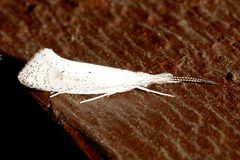
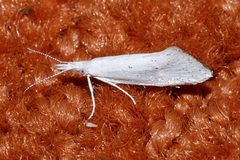
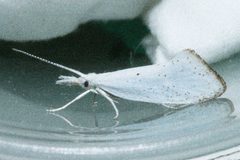
Pronunciation
How to pronounce Euceratia: /ˌjuːsɛˈreɪʃə/
These audio files are automatically generated. While they are not always 100% accurate, they are a good starting point.
Images
Habitat
of Euceratia are associated with arid and semi-arid environments in western North America, including desert scrub, sagebrush steppe, and dry woodland margins.
Distribution
Western North America, with records from the southwestern United States and adjacent regions of Mexico.
Similar Taxa
- YpsolophaBoth belong to the Ypsolophidae and share similar overall body plans; Euceratia often have more pronounced wing patterning and are restricted to western North America, whereas Ypsolopha has a broader geographic range including Eurasia.
More Details
Taxonomic placement
Euceratia was historically placed in the Plutellidae but is now classified in Ypsolophidae based on morphological and molecular evidence. The contains relatively few described compared to related genera.
Research status
The is not well-studied, and the stages and plant relationships of most remain undocumented. iNaturalist records suggest ongoing citizen science documentation of .