
Cnephasiini
Stainton, [1858]
Genus Guides
3Cnephasiini is a tribe of tortrix moths within the Tortricinae. The tribe comprises approximately 40 distributed across the Palaearctic region, with notable diversity in Australia and alpine regions of Europe. Australian members exhibit specialized associations with Proteaceae, particularly Banksia and Lomatia. The tribe has been subject to substantial taxonomic revision based on genital of both sexes.
Pronunciation
How to pronounce Cnephasiini: //knɛˈfasiˌiːnaɪ//
These audio files are automatically generated. While they are not always 100% accurate, they are a good starting point.
Identification
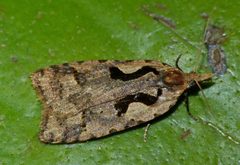
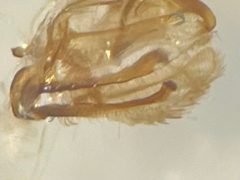
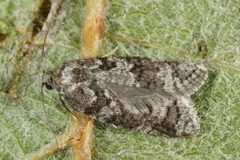
Cnephasiini are distinguished from other Tortricinae tribes primarily by genitalia characters: male genitalia typically feature specific arrangements of the socii and transtilla, while female genitalia show characteristic signum structures and ductus bursae configurations. Wing patterns are generally subdued, often grey or brown with variable fasciation. The Australian fauna separates into two morphological groups: the Arotrophora group with more robust body form and association with Proteaceae flower spikes, and the Taeniarchis group with slenderer build and rain-forest distribution.
Images
Habitat
varies by and region. Australian Cnephasiini occupy two distinct environments: the Arotrophora group occurs in southern Australia in association with Proteaceae-dominated vegetation, particularly Banksia woodlands and heathlands; the Taeniarchis group inhabits rain-forest and wet sclerophyll forest in eastern and northern Australia. European alpine occupy high mountain plateaus above 2000 meters elevation.
Distribution
Palaearctic region including Europe, Asia, and North Africa; Australia with 38 in 13 ; Iran with 22 recorded species. Alpine endemics occur in the South-eastern Alps (Dolomites, Julian Alps) with separated by the Fiemme valleys—Val di Fassa—Pordoi Pass—Val Cordevole biogeographic barrier.
Host Associations
- Proteaceae - larval Australian Arotrophora group; larvae tunnel in Banksia flower spikes or feed between joined leaves of Lomatia and other Proteaceae
- Banksia - larval Specific for Arotrophora and Peraglyphis larvae, which tunnel in flower spikes
- Lomatia - larval for Syllomatia; larvae join leaves to form shelters
- Cissus - larval Vitaceae; recorded for at least one Taeniarchis in Australian rain-forest
Similar Taxa
- TortriciniAnother tribe in Tortricinae; distinguished by genitalia characters, particularly male valva structure and female signum
- CochyliniOften similar in external appearance; Cnephasiini typically lack the characteristic cochylid wing shape and possess distinct genitalia features
More Details
Taxonomic instability
The Australian Cnephasiini have undergone substantial generic rearrangement. Six new were erected (Peraglyphis, Symphygas, Syllomatia, Tanychaeta, plus revisions of existing concepts) based on genitalia characters previously unused in the region.
Biogeographic pattern
The South-eastern Alps harbor of Sphaleroptera orientana separated by well-defined valley systems, demonstrating the importance of Pleistocene refugia and post-glacial isolation in shaping Cnephasiini diversity.
Sources and further reading
- BugGuide
- Wikipedia
- iNaturalist taxon
- NCBI Taxonomy
- Catalogue of Life
- A revision of the Australian Cnephasiini (Lepidoptera: Tortricidae: Tortricinae).
- An overview of the tribe Cnephasiini (Lepidoptera: Tortricidae: Tortricinae) of Iran with description of a new species
- Description of Sphaleroptera orientana meridionalis subs. n. (Lepidoptera: Tortricidae: Cnephasiini) from the Pale di San Martino Mountain plateau (Dolomites, NE Italy)