
Apterona
Millière, 1857
Species Guides
1- Apterona helicoidella(snailcase bagworm)
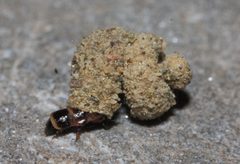
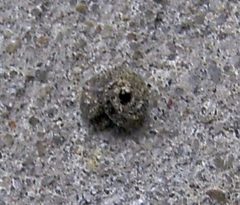
Apterona is a of bagworm moths in the Psychidae, first described by Millière in 1857. The genus contains at least one recognized , Apterona crenulella. Species in this genus are found in Europe and North America. As with all Psychidae, larvae construct protective cases from silk and environmental materials.
Pronunciation
How to pronounce Apterona: //æpˈtɛɹənə//
These audio files are automatically generated. While they are not always 100% accurate, they are a good starting point.
Identification
females of Apterona are wingless and remain in their larval cases, a trait reflected in the name (from Greek 'a-' meaning without, and 'pteron' meaning wing). Adult males have wings and emerge to seek females. The genus is distinguished from other Psychidae genera by female aptery and case , though specific diagnostic features require examination of genitalia.
Images
Distribution
Europe and North America. Specific distribution records include Denmark (DK) and Sweden (SE).
Life Cycle
Complete with , larva, pupa, and stages. Larvae construct portable silk cases incorporating plant material and debris. Females remain and do not leave their cases as adults.
Behavior
Larvae are case-bearers, dragging their constructed shelters while feeding. males are winged and actively fly to locate females, which remain within their cases.
Similar Taxa
- Other Psychidae generaMany Psychidae share case-bearing larval habits; Apterona is distinguished by the combination of wingless females and specific case . Luffia and other Oiketicinae may appear similar but differ in female wing development and geographic distribution.
More Details
Etymology
The name derives from Greek 'apteros' (wingless), referring to the reduced wings of females.
Taxonomic placement
Apterona belongs to the Oiketicinae and tribe Apteronini, reflecting its specialized among Psychidae.