
Eudarcia
Clemens, 1860
Species Guides
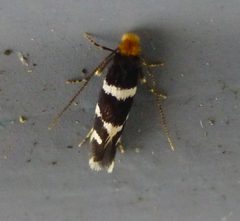
4Eudarcia is a of small in the Meessiidae (formerly placed in Tineidae), containing approximately 82 described . These moths are distributed across multiple continents and are characterized by their minute size and often inconspicuous coloration. The genus was established by James Brackenridge Clemens in 1860.
Pronunciation
How to pronounce Eudarcia: //juːˈdɑːr.sɪ.ə//
These audio files are automatically generated. While they are not always 100% accurate, they are a good starting point.
Identification
Eudarcia are minute with reduced wing venation and often exhibit mottled gray or brown coloration. They can be distinguished from related in Meessiidae by genitalic characters, particularly in males, and by subtle differences in wing pattern and scaling. Definitive identification to species level typically requires microscopic examination of genitalia.
Images
Distribution
of Eudarcia have been recorded from North America, Europe, Asia, and Africa, with the showing a broad distribution across temperate and subtropical regions.
Similar Taxa
- MonopisAlso in Meessiidae with minute size and similar wing patterns; distinguished by differences in genitalia and larval habits
- TineaHistorically placed in same (Tineidae); Eudarcia now separated based on molecular and morphological data into Meessiidae
More Details
Family placement
Eudarcia was long classified in Tineidae but has been reassigned to Meessiidae based on phylogenetic studies. This reclassification reflects improved understanding of relationships within the superfamily Tineoidea.
Species diversity
The contains approximately 82 described , though many are poorly known and additional undescribed species likely exist, particularly in under-sampled regions.