Salebriaria rufimaculatella
Neunzig, 1988
White-banded Salebriaria Moth
Salebriaria rufimaculatella is a small in the Pyralidae, described by Neunzig in 1988. The 'White-banded Salebriaria Moth' refers to distinctive light markings on the forewings. It belongs to a of snout moths found primarily in North America. The species has been documented in over 400 observations on iNaturalist, indicating it is moderately well-observed but not extensively studied in scientific literature.
Pronunciation
How to pronounce Salebriaria rufimaculatella: /sæˌlɛbriˈɛəriə ruˌfiˌmækjuˌlæˈtɛlə/
These audio files are automatically generated. While they are not always 100% accurate, they are a good starting point.
Identification
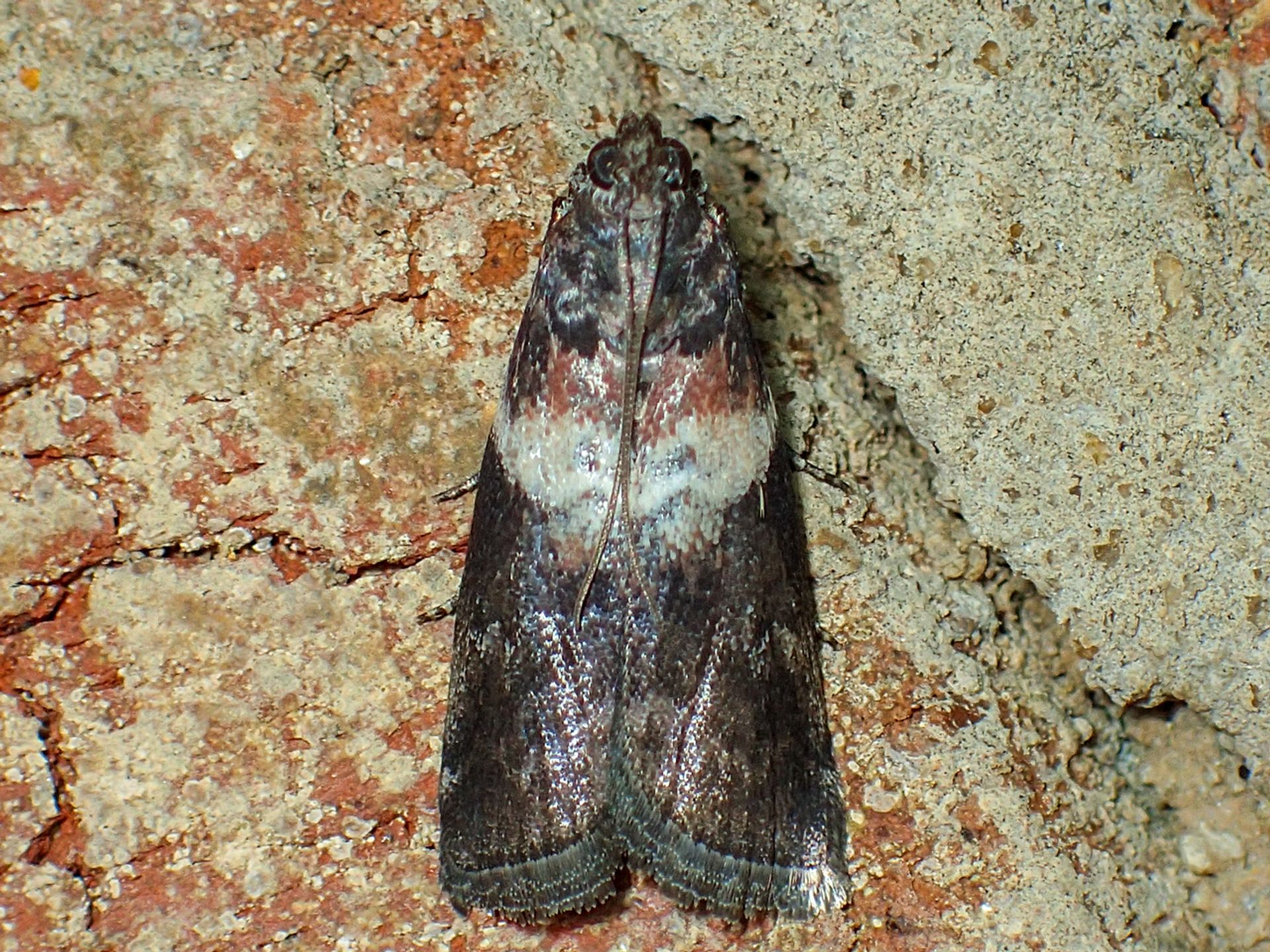
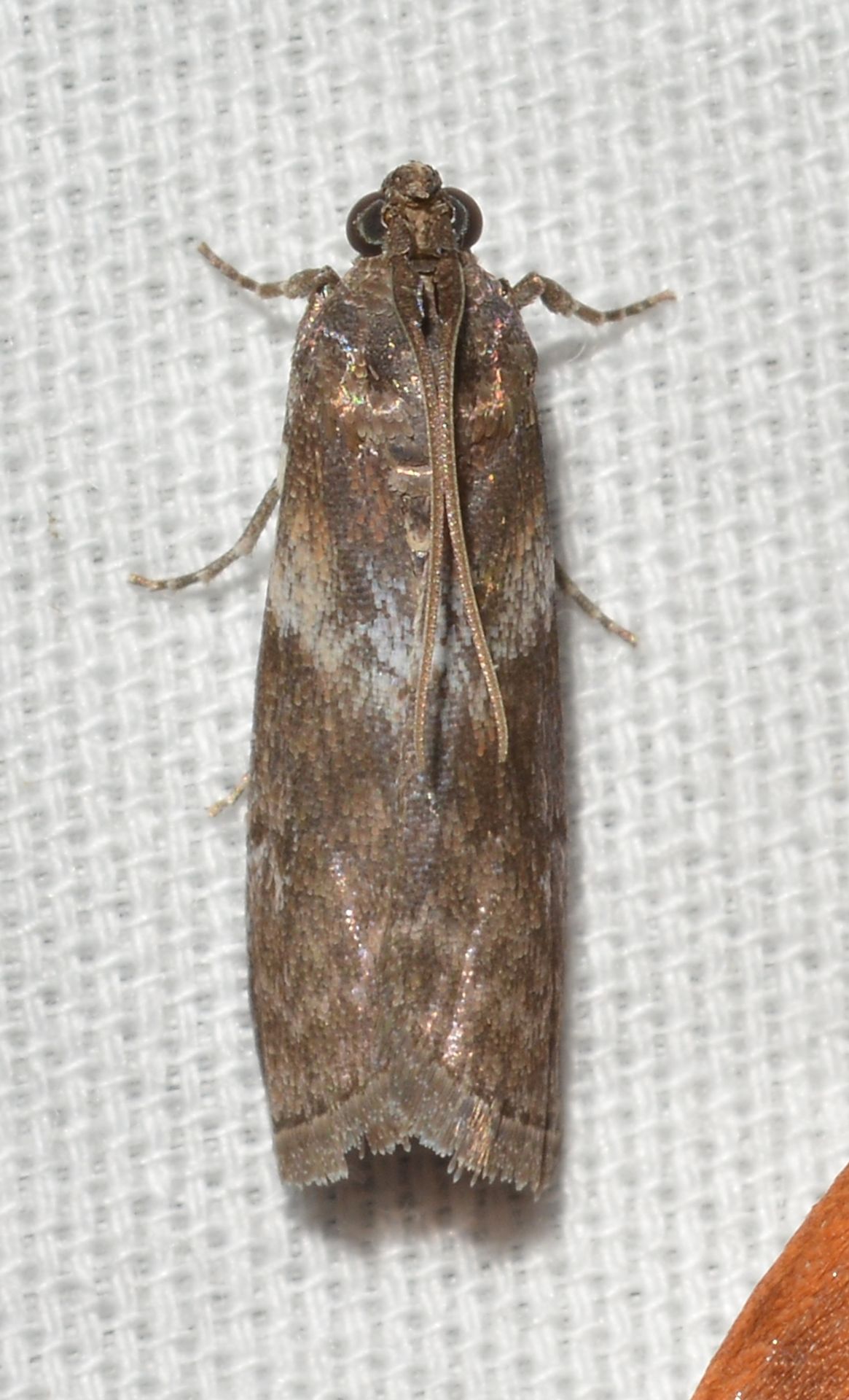
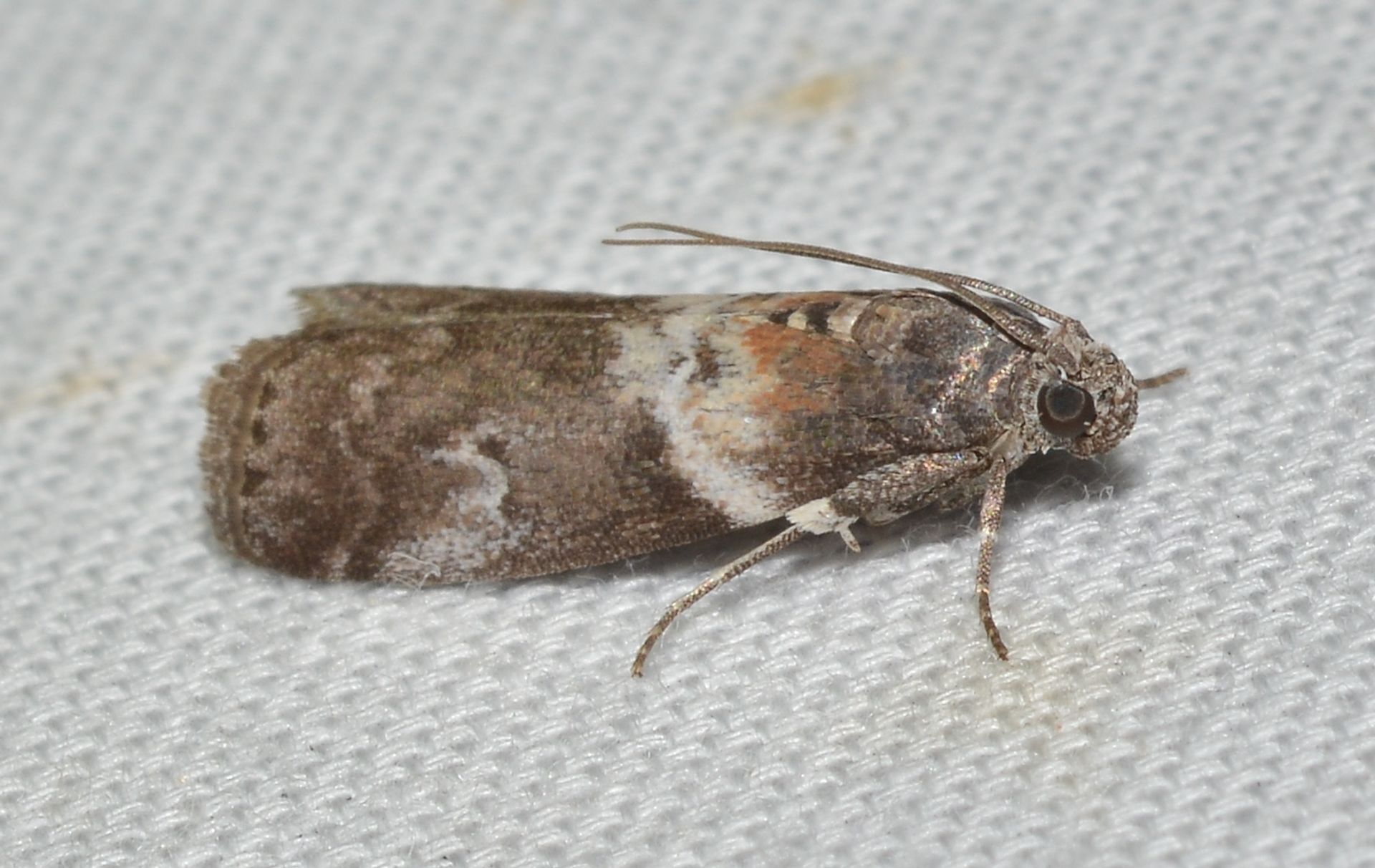
Distinguished from other Salebriaria by the prominent white band on the forewings. The specific epithet 'rufimaculatella' suggests reddish spotting, which may be visible upon close examination. Separation from congeneric species requires examination of genitalia or detailed wing pattern analysis. The Salebriaria contains multiple similar species; S. rufimaculatella is one of the more frequently observed due to its distinctive pale banding.
Images
Appearance
are small pyralid moths with forewings displaying a white or pale band against a darker background, creating the 'rufimaculatella' (reddish-spotted) pattern referenced in the name. The wingspan is modest, consistent with other Salebriaria species. Labial palps are elongated and project forward, forming the characteristic 'snout' of pyralid moths. Hindwings are generally paler than forewings.
Habitat
Associated with wooded and areas supporting herbaceous vegetation. Specific microhabitat preferences are not well documented.
Distribution
North America; documented across multiple regions based on iNaturalist observations. Precise range boundaries are not established in published literature.
Seasonality
activity period not precisely documented. iNaturalist observations suggest activity during warmer months, typical for temperate pyralid moths.
Behavior
; are attracted to light. Detailed behavioral observations are not published.
Ecological Role
Larval unknown; likely serve as prey for including bats and birds.
Human Relevance
No economic or agricultural significance documented. Occasionally encountered by enthusiasts and documented through citizen science platforms.
Similar Taxa
- Other Salebriaria speciesCongeneric share similar size, snout , and general wing shape; distinguished by specific forewing pattern elements, particularly the extent and shape of pale markings
- Other Pyralidae (snout moths)General body plan and snout projection are shared across ; Salebriaria rufimaculatella identified by -specific wing pattern and banding
More Details
Taxonomic history
Described by Hans H. Neunzig in 1988, placing it among the more recently described North American pyralid . The Salebriaria was established by Heinrich in 1956.
Data availability
Despite over 400 iNaturalist observations, formal scientific literature on this is sparse. Most ecological and biological data remain undocumented.