
Quasisalebria
Heinrich, 1956
Species Guides
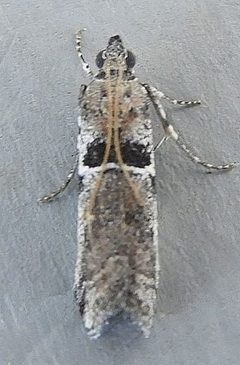
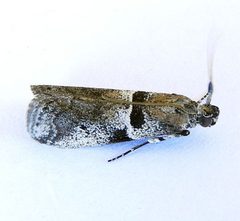
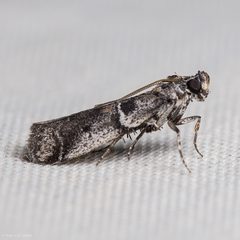
4Quasisalebria is a of small in the Pyralidae, Phycitinae, described by Heinrich in 1956. Members of this genus are part of the diverse snout moth , characterized by their relatively modest size and generally inconspicuous coloration. The genus is recognized within the Phycitinae, a large subfamily containing numerous associated with dried plant material, seeds, and detritus. Species-level within Quasisalebria remains incompletely resolved.
Pronunciation
How to pronounce Quasisalebria: //ˌkwɑːsɪsəˈleɪbriə//
These audio files are automatically generated. While they are not always 100% accurate, they are a good starting point.
Identification
Quasisalebria can be distinguished from related Phycitinae by genitalic characters, particularly male valvae and female ostium structures, as established in Heinrich's original description. External alone is insufficient for reliable identification to genus; dissection and examination of genitalia are typically required. The genus resembles other small, drab Phycitinae such as Salebria and related genera, from which it differs in subtle structural details of the male genital clasping apparatus.
Images
Distribution
The has been recorded from North America, with distributed across various regions of the United States and Canada. Specific range limits for individual species are poorly documented.
Similar Taxa
- SalebriaSimilar external appearance and historically related ; distinguished by male genitalia structure, particularly the shape of the valvae and .
More Details
Taxonomic history
The was established by Carl Heinrich in 1956 to accommodate previously placed in or near Salebria. The name reflects this relationship ('quasi-' = resembling). Heinrich's original description emphasized genitalic characters as the primary basis for recognition.