
Pyla fusca
Haworth, 1811
Speckled Black Pyla Moth
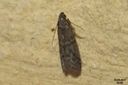
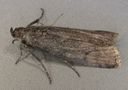
Pyla fusca is a snout moth in the Phycitinae with a Holarctic distribution. It is the only member of its found outside North America, making it taxonomically distinctive. The is associated with heathland , particularly areas of burnt heath where its dark coloration provides camouflage. are active during summer months, and larvae feed on Ericaceae plants.
Pronunciation
How to pronounce Pyla fusca: /ˈpaɪlə ˈfʌskə/
These audio files are automatically generated. While they are not always 100% accurate, they are a good starting point.
Identification
Distinguished from other Pyla by its Holarctic distribution (other Pyla species are restricted to North America). Dark fuscous forewings with grey-whitish speckling and two darker discal dots separate it from superficially similar Phycitinae. The combination of heathland preference, dark coloration, and specific wing pattern distinguishes it from other European Pyralidae.
Images
Habitat
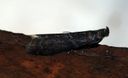
Heathland, particularly areas where heath has been partially burnt. The dark coloration of is adapted to this specific environment. Associated with Erica-dominated vegetation.
Distribution
Holarctic distribution. Present in Europe (including Belgium, Netherlands, United Kingdom) and North America. The only Pyla occurring outside North America.
Seasonality
on wing from June to August, with exact timing varying by location. Larval development occurs July through September.
Diet
Larvae feed on Erica and Vaccinium (Ericaceae).
Host Associations
- Erica - larval food plant
- Vaccinium - larval food plant
Life Cycle
stage not described in sources. Larvae present July–September, feeding on plants. details not specified. emerge June–August. appears .
Behavior
frequent partly burnt heathland, where dark coloration provides camouflage. activity pattern typical of Pyralidae.
Ecological Role
Herbivore feeding on Ericaceae. Role in heathland dynamics not well documented.
Human Relevance
No significant economic or agricultural impact documented. Subject of taxonomic interest due to its disjunct distribution relative to .
Similar Taxa
- Other Pyla speciesAll other Pyla restricted to North America; P. fusca is the only Holarctic member of the . Separation has been proposed based on this geographic and potential phylogenetic distinction.
More Details
Taxonomic Uncertainty
Pyla fusca has been proposed for separation into a Matilella due to its geographic isolation from other Pyla . This separation may be warranted given insufficient knowledge of Phycitinae , though it risks rendering Pyla . More research is required to resolve this question.