
Phycitodes
Hampson, 1917
Species Guides
2- Phycitodes mucidella(White-edged Phycitodes Moth)
- Phycitodes reliquellum
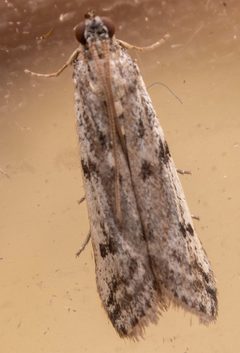
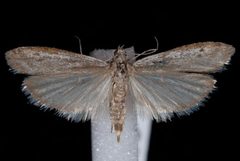
Phycitodes is a of snout moths in the Pyralidae, Phycitinae, established by George Hampson in 1917. The genus contains approximately 18 described distributed across the Palearctic and Nearctic regions. At least one species, Phycitodes subcretacella, has been documented feeding on the weed Ambrosia artemisiifolia (common ragweed), suggesting potential ecological significance in contexts.
Pronunciation
How to pronounce Phycitodes: //faɪˈsɪtoʊdiːz//
These audio files are automatically generated. While they are not always 100% accurate, they are a good starting point.
Images
Distribution
Recorded from Denmark, Norway, Sweden, and the United States (including Vermont). within the occur across Palearctic and Nearctic regions.
Diet
Phytophagous. Phycitodes subcretacella has been observed feeding on Ambrosia artemisiifolia L. (common ragweed). Dietary habits for other in the remain unconfirmed.
Host Associations
- Ambrosia artemisiifolia L. - plantDocumented for Phycitodes subcretacella in Primorsky Krai, Russia
Ecological Role
Phycitodes subcretacella has been identified as a phytophage of the weed Ambrosia artemisiifolia, with larvae damaging stem tissues containing generative organs. This feeding may reduce the reproductive potential of the plant, suggesting possible value as a agent.
More Details
Taxonomic History
Described by George Hampson in 1917. The belongs to the Phycitinae within Pyralidae, a group commonly referred to as snout moths due to their elongated labial palps.
Species Diversity
At least 18 have been described, including P. albatella, P. binaevella, P. maritima, and P. subcretacella. Species-level identification typically requires examination of genitalia .
Research Significance
The 2024 documentation of P. subcretacella feeding on common ragweed in Russia represents the first plant record for this and expands known phytophages of this economically significant weed.