
Cacotherapia interalbicalis
Ragonot, 1891
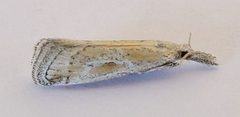
Cacotherapia interalbicalis is a of snout moth in the Pyralidae, described by Émile Louis Ragonot in 1891 from Sonora, Mexico. It belongs to a of relatively obscure pyralid moths whose remains poorly documented. The species occurs in the southern United States and northwestern Mexico, with limited observational records available.
Pronunciation
How to pronounce Cacotherapia interalbicalis: /kəˌkoʊθəˈreɪpiə ˌɪntərˌælbɪˈkeɪlɪs/
These audio files are automatically generated. While they are not always 100% accurate, they are a good starting point.
Identification
Specific diagnostic features for distinguishing C. interalbicalis from have not been documented in accessible literature. The Cacotherapia is characterized by typical pyralid with elongated labial palps forming a snout-like projection, but -level identification requires examination of genitalic characters or detailed wing pattern analysis.
Images
Distribution
Known from Sonora, Mexico (type locality) and the southern United States. GBIF and iNaturalist records suggest occurrence in Arizona and potentially adjacent regions, though precise range boundaries are undefined.
Similar Taxa
- Other Cacotherapia species within this poorly studied share similar overall and likely overlap in geographic range, requiring detailed examination for reliable separation.
- General Galleriinae moths members share the snout moth habitus with prominent labial palps, leading to superficial resemblance.
More Details
Taxonomic history
The has remained taxonomically stable since its original description by Ragonot in 1891, with no recorded synonymy or subspecific classification.
Data limitations
With only 22 iNaturalist observations and minimal published biological information, most aspects of this ' and natural history are undocumented.