Negalasa rubralis
Barnes & McDunnough, 1913
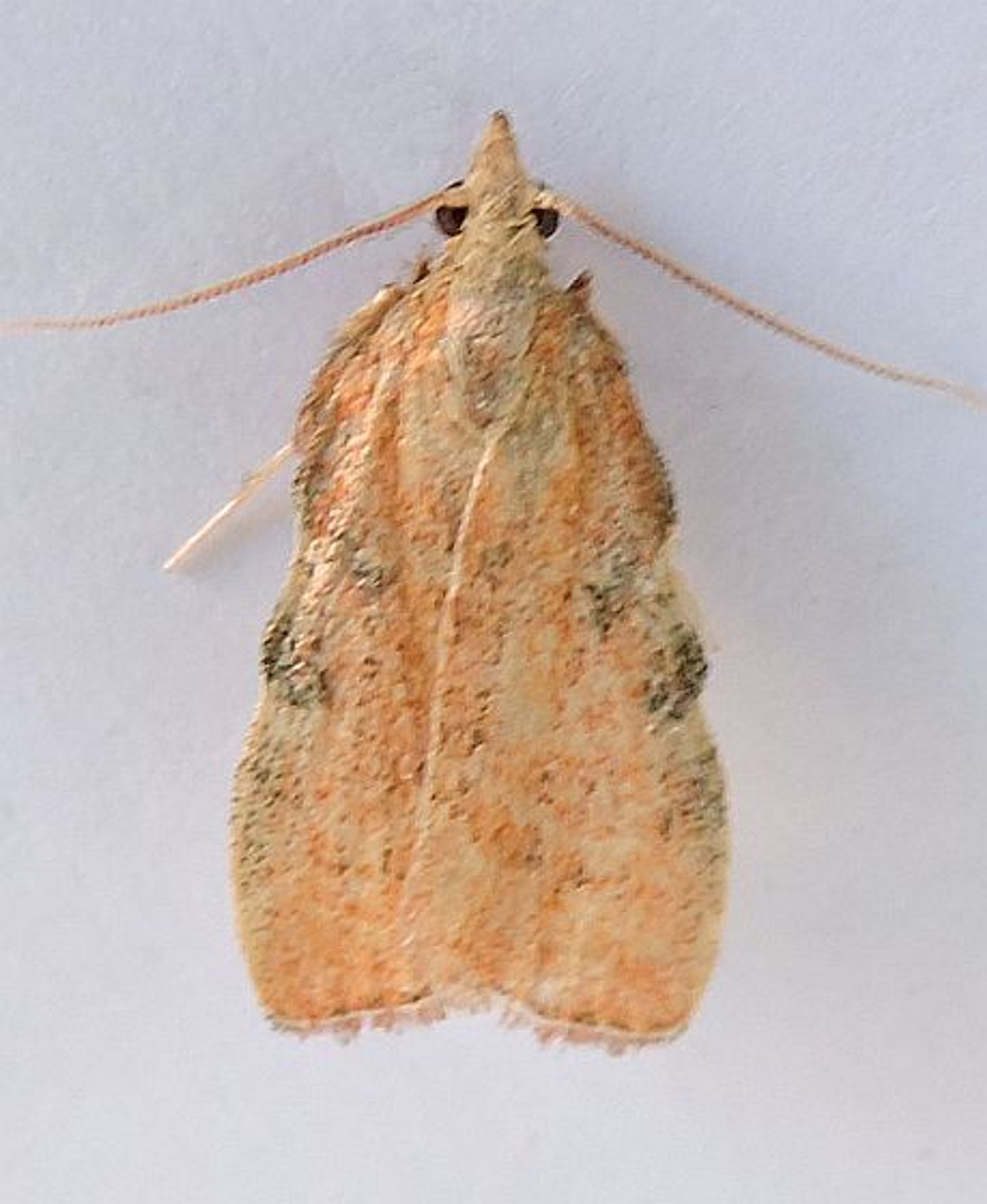
Negalasa rubralis is a of snout moth in the Pyralidae, Chrysauginae. It was described by William Barnes and James Halliday McDunnough in 1913, the same year as the Negalasa was established. The species is extremely poorly known, with only three observations recorded in iNaturalist and minimal published documentation. It appears to be distinct from the better-known N. fumalis, which is found in Arizona.
Pronunciation
How to pronounce Negalasa rubralis: //nɛɡəˈlɑːsə ruːˈbrɑːlɪs//
These audio files are automatically generated. While they are not always 100% accurate, they are a good starting point.
Identification
No diagnostic features have been published for distinguishing N. rubralis from other Negalasa . The specific epithet "rubralis" suggests reddish coloration, but this has not been confirmed in accessible literature. Specimens would require examination of genitalia and wing pattern details for definitive identification.
Images
Distribution
Distribution records are sparse. The has been documented in the United States, but specific locality data beyond this are not readily available in published sources.
Similar Taxa
- Negalasa fumalisThe only other described in the Negalasa; N. fumalis is known from Arizona and was described in the same 1913 paper, but differs in specific epithet suggesting different coloration (fumalis = smoky/dusky versus rubralis = reddish)
More Details
Taxonomic Note
The Wikipedia summary provided in source material incorrectly states that N. fumalis is the sole in Negalasa, omitting N. rubralis. Both species were described in the same 1913 paper by Barnes and McDunnough, making Negalasa bitypic rather than .
Data Deficiency
With only three iNaturalist observations and minimal literature presence, this exemplifies the many underestudied North American pyralid moths. Original and detailed descriptions may exist in museum collections but are not digitized or widely accessible.