Condylolomia
Grote, 1873
snout moths
Species Guides
1- Condylolomia participialis(Drab Condylolomia Moth)
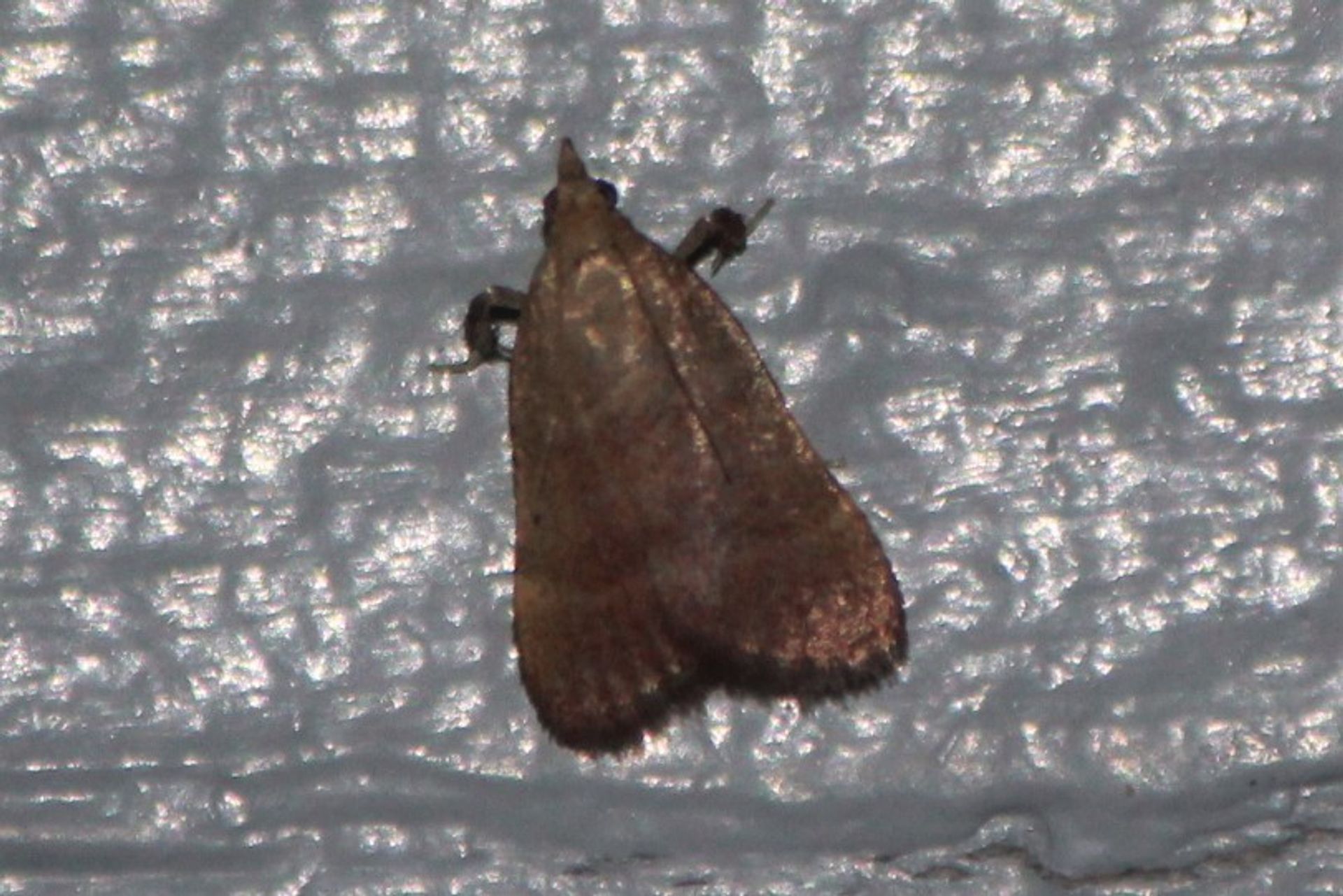
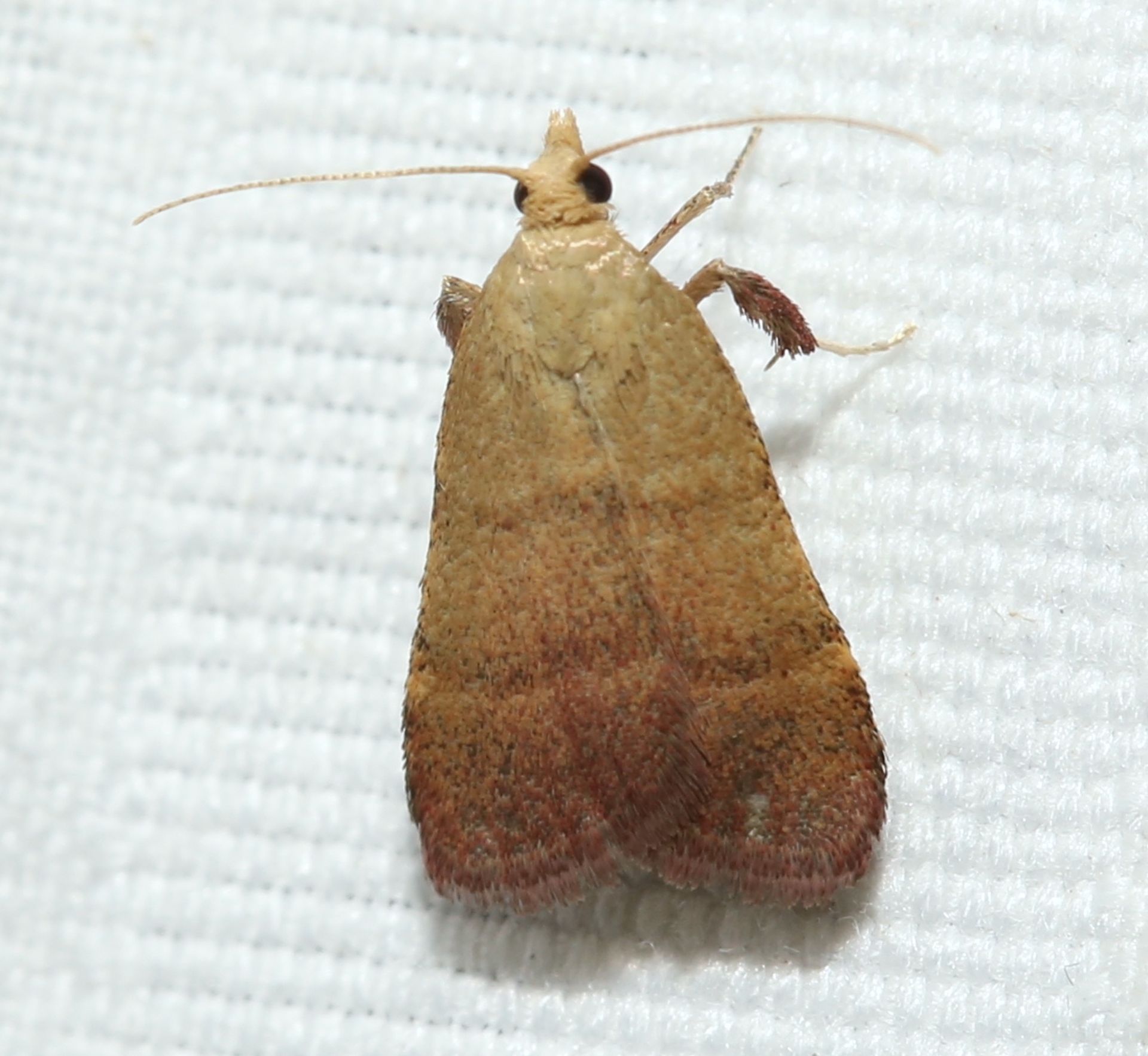
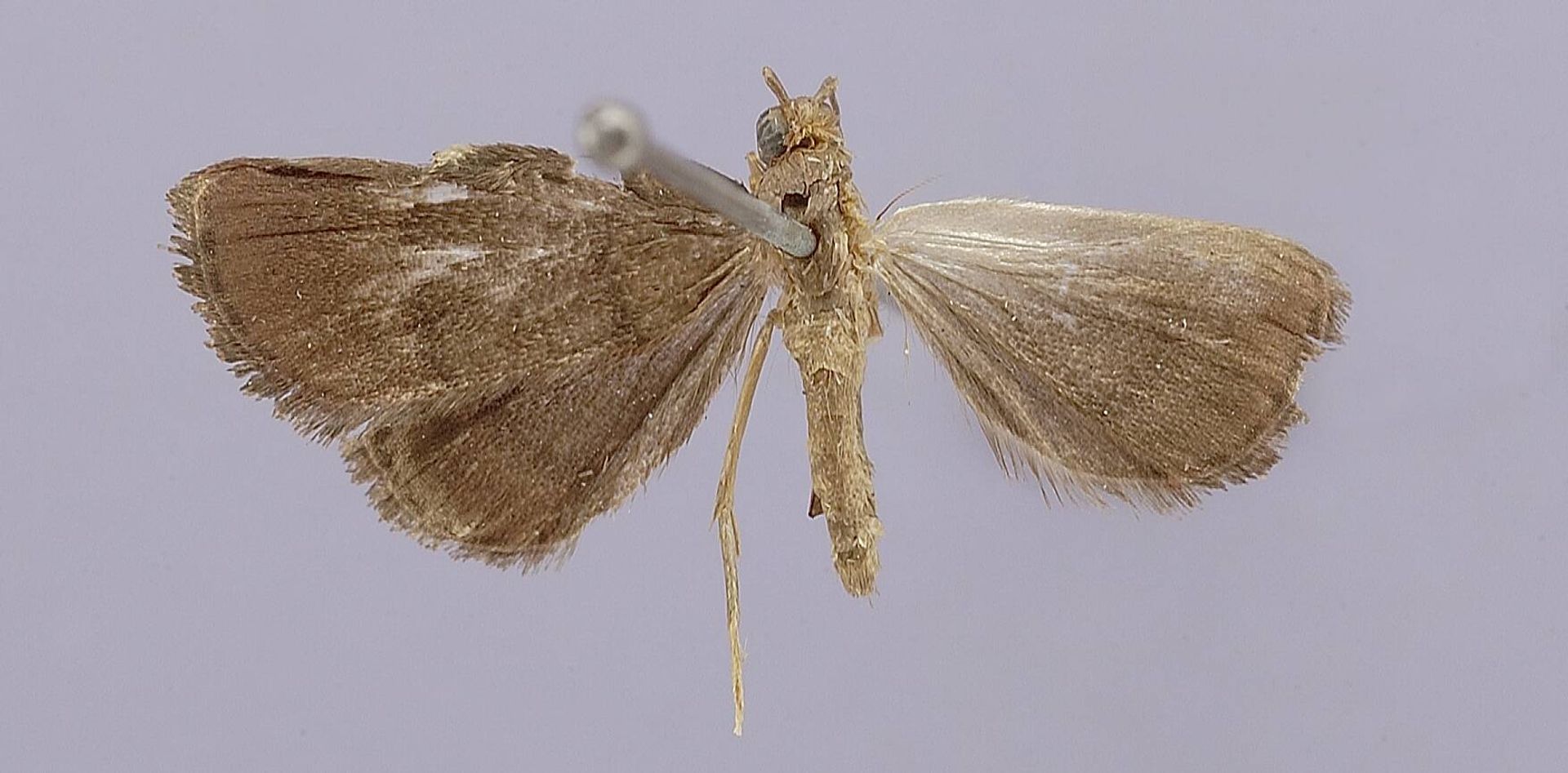
Condylolomia is a of snout moths in the Pyralidae, Chrysauginae. It was described by Augustus Radcliffe Grote in 1873. The genus contains two described : Condylolomia participalis (the type species) and Condylolomia metapachys. As members of the Chrysauginae, these likely share characteristics with other subfamily members, though specific traits for the genus remain poorly documented in accessible literature.
Pronunciation
How to pronounce Condylolomia: /ˌkɒndɪloʊˈloʊmiə/
These audio files are automatically generated. While they are not always 100% accurate, they are a good starting point.
Identification
Identification to level requires examination of genitalia and wing venation patterns characteristic of Chrysauginae. The two may be distinguished by wing pattern differences: C. participalis has more extensive dark markings on the forewings compared to C. metapachys. Reliable separation from other Chrysauginae genera requires knowledge of Pyralidae .
Images
Distribution
Records exist from the United States, specifically Vermont. The appears to be restricted to North America, though precise range boundaries for each are not well established.
Similar Taxa
- Other Chrysauginae generaShare similar body form and wing patterns; require dissection or detailed wing venation analysis for separation
- Other Pyralidae subfamiliesMay resemble snout moths superficially; placement determined by labial palp structure and genitalia
More Details
Taxonomic history
The was established by Grote in 1873 with Condylolomia participalis as the type . Hampson added C. metapachys in 1897. The genus has received limited taxonomic attention since original description.
Research needs
Basic including larval plants, stages, and detailed distribution records remain unknown for both .