
Epipagis forsythae
Munroe, 1955
Forsyth's Epipagis Moth
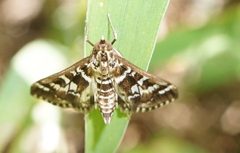
Epipagis forsythae is a small crambid described by Eugene G. Munroe in 1955. It is to Florida and represents one of the few documented in its with a restricted North American distribution. The species remains poorly known, with limited biological data available beyond its type locality and scattered records.


Pronunciation
How to pronounce Epipagis forsythae: /ˌɛpɪˈpeɪdʒɪs fɔːrˈsɪθi/
These audio files are automatically generated. While they are not always 100% accurate, they are a good starting point.
Identification
Distinguished from by genitalic characters; external requires comparison with related Epipagis . The Epipagis contains small, relatively nondescript crambid that generally lack striking pattern elements. Accurate identification to species level typically requires dissection and examination of male genitalia.
Images
Distribution
to Florida, United States. All confirmed records are from the Florida peninsula.
Similar Taxa
- Epipagis huronalisOverlaps in eastern North America; distinguished by subtle genitalic differences and potentially broader distribution
- Other Epipagis species contains multiple similar small with limited external morphological differentiation
More Details
Taxonomic history
Described by Canadian lepidopterist Eugene G. Munroe in 1955 based on Florida material. The specific epithet honors an individual with surname Forsyth, though the exact etymology has not been detailed in readily available literature.