
Glyphodes onychinalis
(Guenée, 1854)
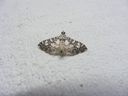
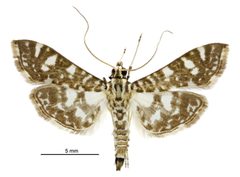
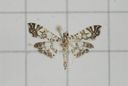
Glyphodes onychinalis is a in the Crambidae, Spilomelinae. First described by Guenée in 1854 under the basionym Asopia onychinalis, this species belongs to a of small to medium-sized moths commonly known as pearl moths. The species has been recorded in the conterminous United States. Like other spilomeline crambids, it likely exhibits the slender body form and distinctive wing patterns characteristic of this diverse group.
Pronunciation
How to pronounce Glyphodes onychinalis: //ˈɡlɪfoʊˌdiːz ˌɒnɪˈkaɪnəlɪs//
These audio files are automatically generated. While they are not always 100% accurate, they are a good starting point.
Identification
The Glyphodes is characterized by forewings with a somewhat triangular shape and often bold, contrasting patterns. -level identification within Glyphodes generally requires examination of genitalia or detailed wing pattern analysis. No published diagnostic features specifically distinguishing G. onychinalis from congeneric species were found in available sources.
Images
Distribution
Recorded from the conterminous 48 United States. The native range and full global distribution remain poorly documented in available literature.
Similar Taxa
- Glyphodes sibillalisCongeneric with overlapping distribution in North America; external similar, requiring genitalia examination for reliable separation.
- Other Spilomelinae genera (e.g., Diaphania, Palpita)Similar overall body plan and wing shape; Glyphodes typically show more pronounced forewing pattern elements and different resting posture.
More Details
Taxonomic history
Originally described as Asopia onychinalis by Guenée in 1854, later transferred to Glyphodes. The Asopia is now restricted to a different crambid lineage.