Psara dryalis
(Walker, 1859)
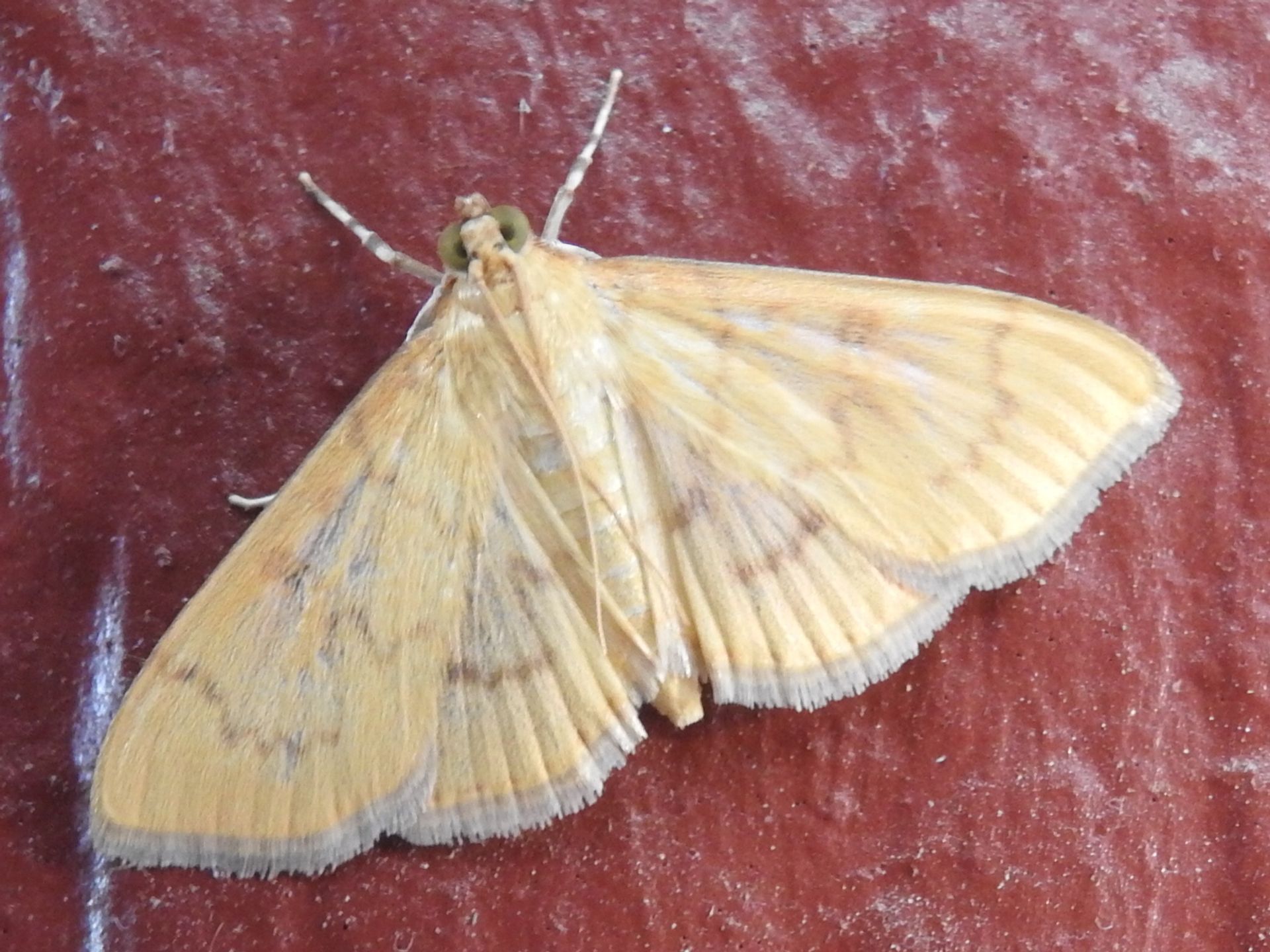
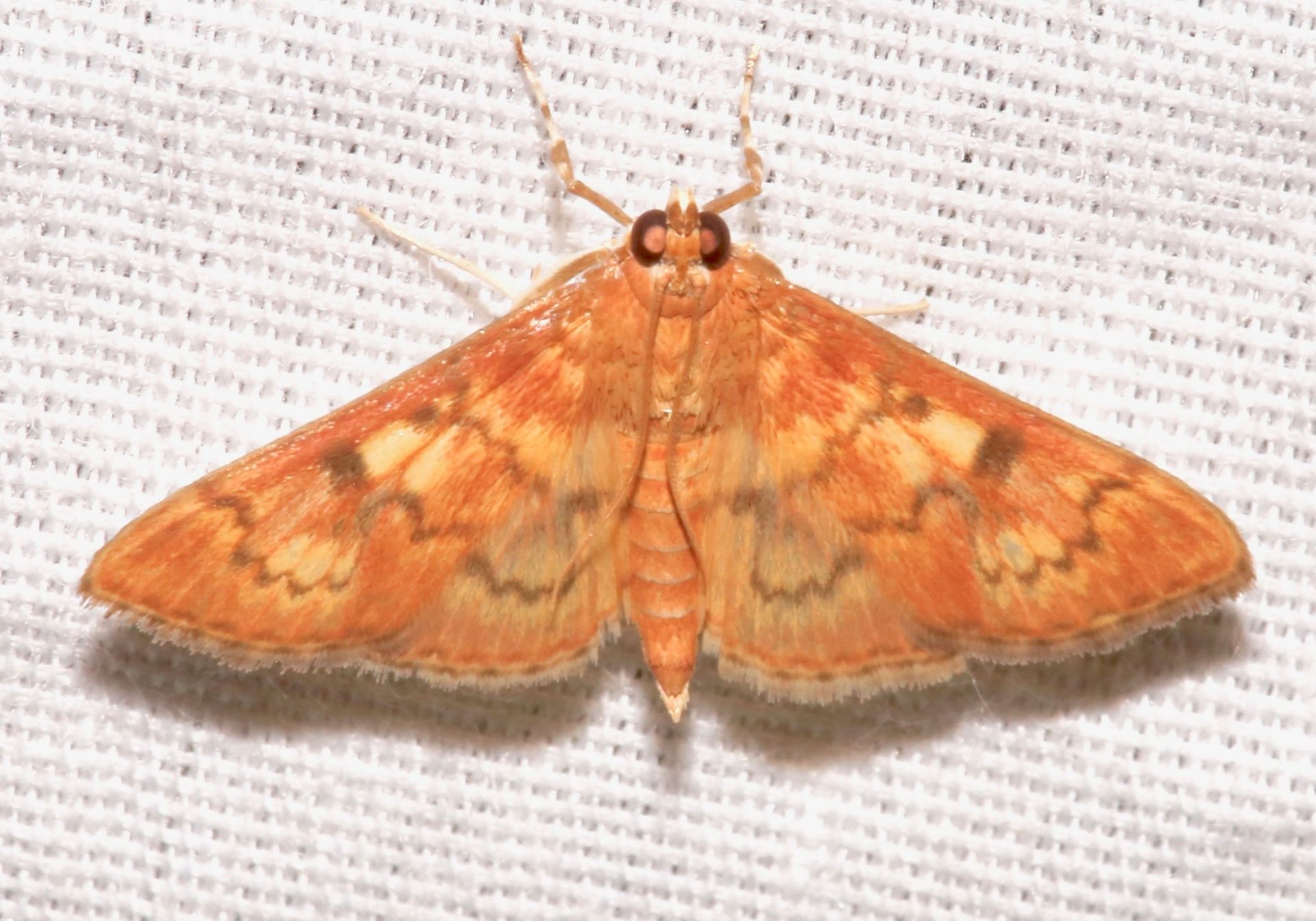
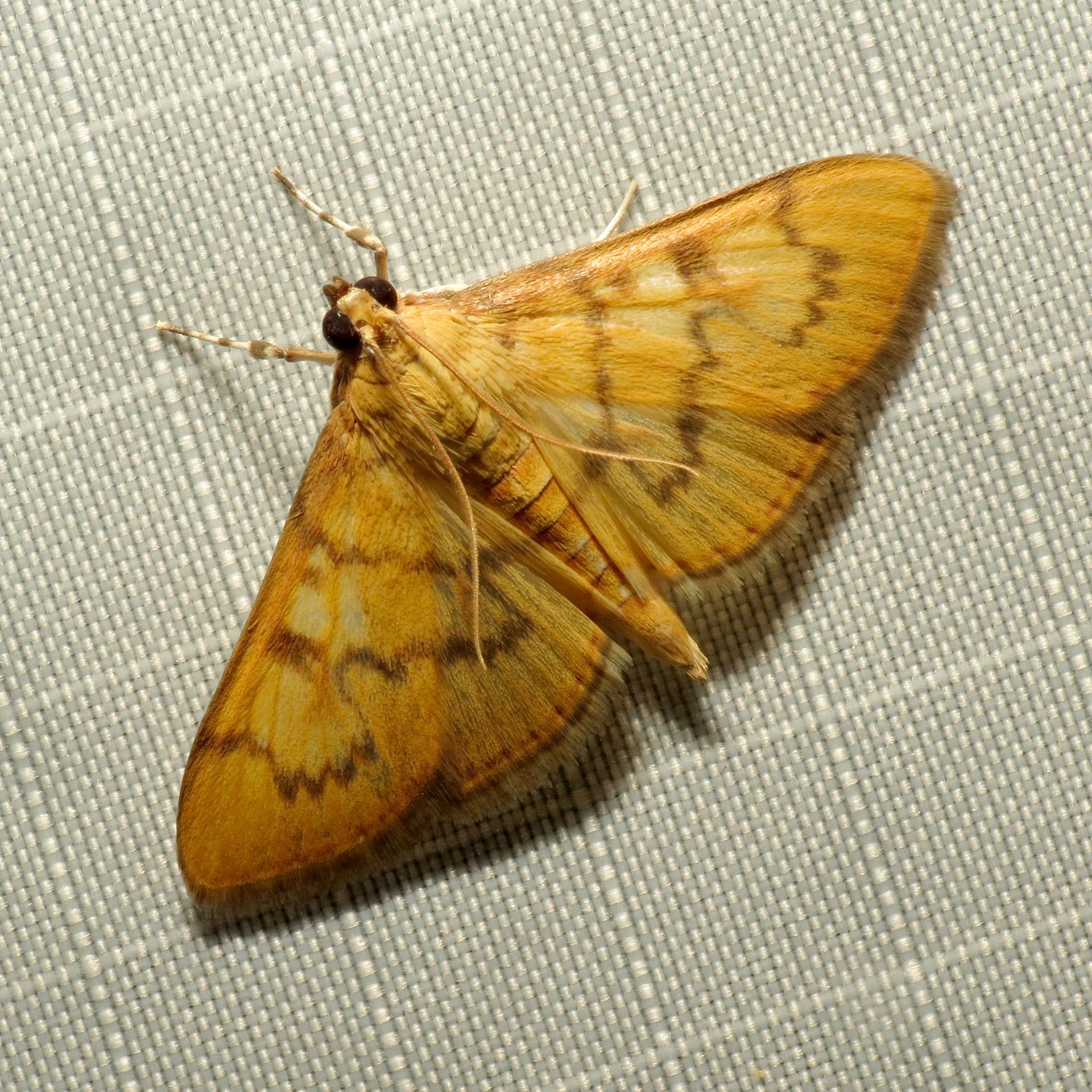
Psara dryalis is a small crambid described by Francis Walker in 1859. It occurs across the Caribbean and from the southwestern United States through Central America. The is characterized by iridescent wings with distinctive purplish-gray patterning. are active during summer months in the northern part of its range.
Pronunciation
How to pronounce Psara dryalis: /ˈpsaː.ra dɾɪˈa.lɪs/
These audio files are automatically generated. While they are not always 100% accurate, they are a good starting point.
Identification
Distinguished from similar crambids by combination of small size (~26 mm wingspan), iridescent wing surface, and specific pattern of purplish-cinereous interior and exterior lines with blackish marginal spots. Caribbean and southwestern US distribution helps narrow identification.
Images
Appearance
Small with wingspan approximately 26 mm. Wings iridescent with purplish-cinereous (grayish) interior and exterior lines. Blackish marginal spots present on wings. Overall coloration and patterning consistent with crambid .
Distribution
Caribbean: Dominican Republic, Puerto Rico, Jamaica, Cuba. Continental: southwestern United States to Central America.
Seasonality
active July through September in the United States. Seasonality in tropical Caribbean and Central American portions of range not documented in available sources.
Similar Taxa
- Other Psara speciesSimilar size and crambid wing patterning; distinguished by specific iridescent purplish-cinereous line pattern and blackish marginal spots
- Pilocrocis speciesFormerly classified in this ; morphological similarities expected given taxonomic history
More Details
Taxonomic History
The was originally described by Francis Walker in 1859. GBIF lists it as a synonym of Pilocrocis dryalis, indicating ongoing taxonomic uncertainty or recent reclassification between Psara and Pilocrocis.
Observation Data
iNaturalist records 158 observations, suggesting the is moderately well-documented by citizen scientists, though detailed biological studies appear limited.