
Scoparia palloralis
Dyar, 1906
Scoparia palloralis is a small in the Crambidae, described by Harrison Gray Dyar Jr. in 1906. It occurs in western North America from British Columbia to southern California, with inland records from Colorado and western Texas. The exhibits seasonal activity in spring and summer, with timing varying by latitude and elevation.
Pronunciation
How to pronounce Scoparia palloralis: /skoʊˈpɛə.riə pæl.əˈreɪ.lɪs/
These audio files are automatically generated. While they are not always 100% accurate, they are a good starting point.
Identification
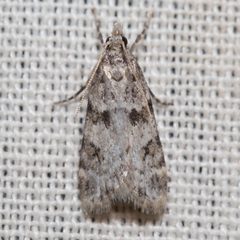
May be distinguished from similar Scoparia by the combination of small size, brown-tinged forewings with inconspicuous maculation, and geographic range in western North America. Detailed genitalia examination is typically required for definitive species-level identification within the . The species is smaller than many congeneric and lacks prominent wing patterns seen in some related species.
Images
Appearance
Small with forewing length of 5–9 mm. Forewings are brown-tinged with inconspicuous maculation (spotting pattern). Wings are relatively narrow and elongated typical of the . Overall coloration is muted and cryptic.
Habitat
Specific associations are not well documented in the available literature. Based on the montane and coastal distribution pattern, the likely inhabits varied environments including coastal scrub, chaparral, and montane meadows.
Distribution
Western North America: British Columbia, Canada south to southern California, USA; inland records from Colorado and western Texas. The distribution spans coastal and interior western regions with apparent gaps in the Great Basin.
Seasonality
are active from April to June in California and from July to August in Arizona. This suggests a latitudinal gradient in period, with earlier in southern coastal areas and later activity at higher elevations or more northern latitudes.
Life Cycle
likely overwinter or pupae , with in spring and summer. Specific details of larval development and stage are not documented.
Similar Taxa
- Other Scoparia speciesMany congeneric share similar small size and muted coloration; require genitalia dissection or molecular analysis for definitive separation
More Details
Taxonomic History
Described by Harrison Gray Dyar Jr. in 1906 based on specimens from western North America. The has remained relatively obscure in the literature with limited biological study.