Sitochroa dasconalis
Walker, 1859
Pearly Indigo Borer
Sitochroa dasconalis is a North American crambid known as the Pearly Indigo Borer. First described by Francis Walker in 1859, it occurs from the northeastern United States west to Texas. The is notable for its larval specialization on Baptisia tinctoria, a leguminous plant commonly called wild indigo. are active during spring and early summer.
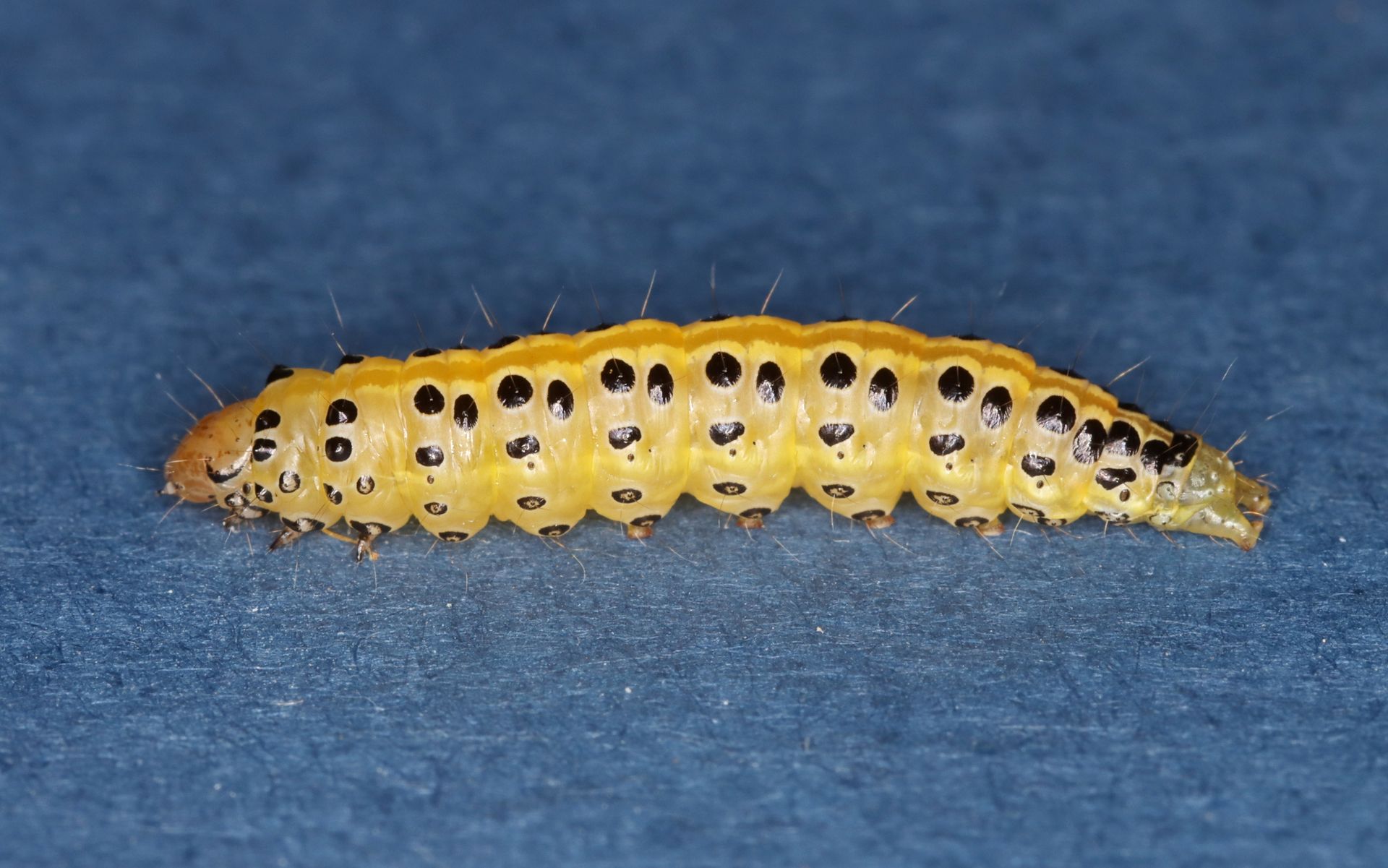
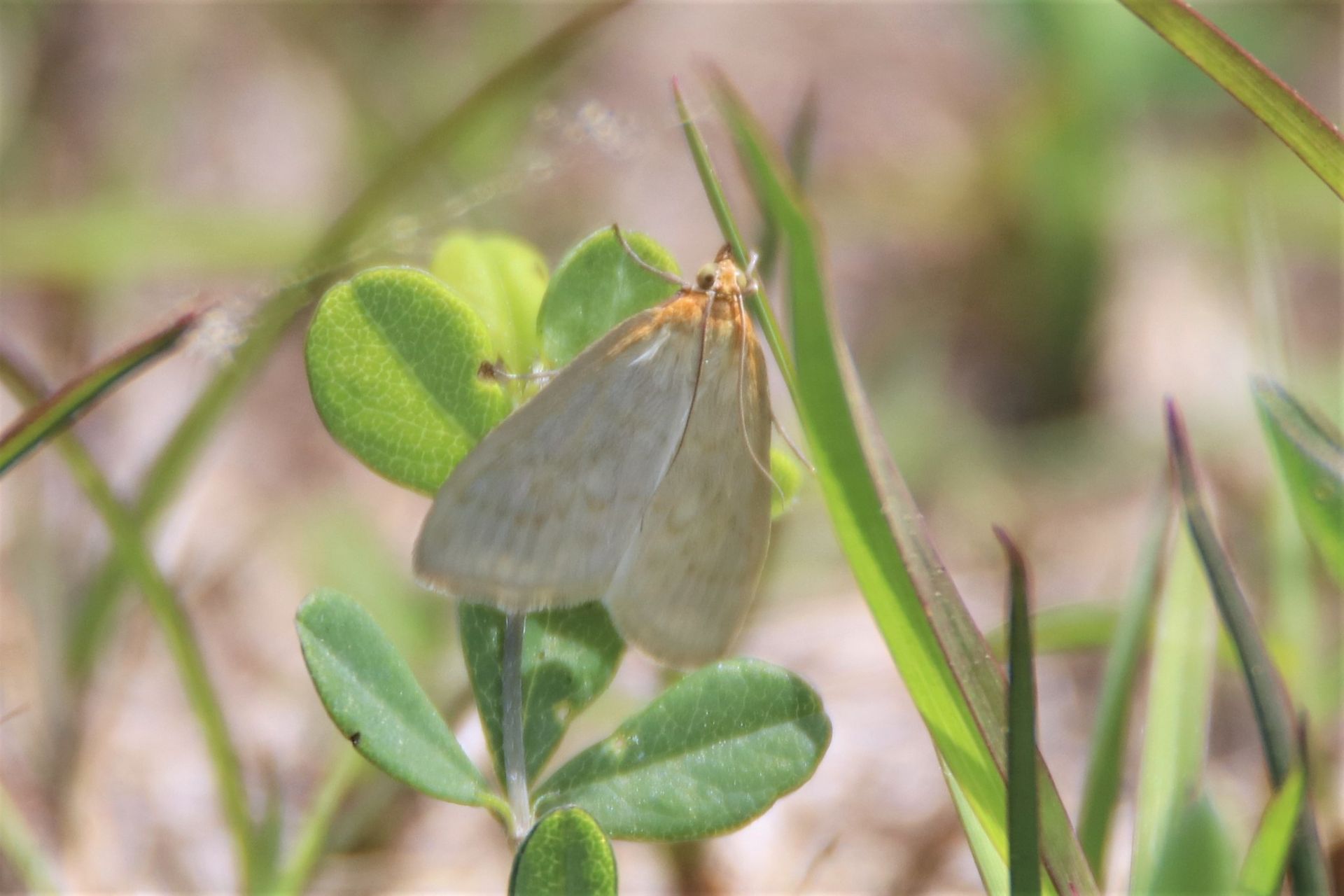
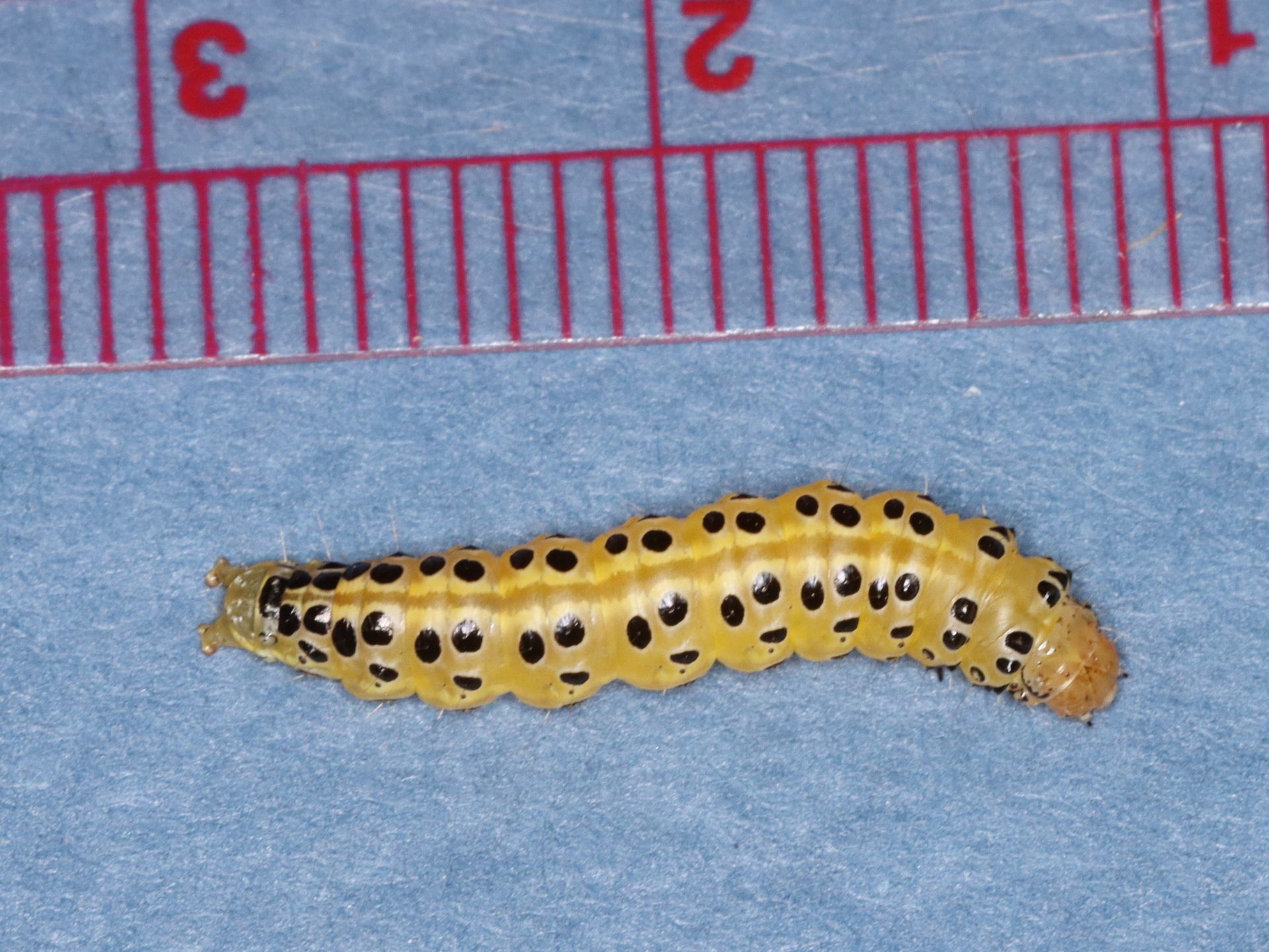
Pronunciation
How to pronounce Sitochroa dasconalis: //ˌsaɪtəˈkroʊ.ə ˌdæskəˈneɪlɪs//
These audio files are automatically generated. While they are not always 100% accurate, they are a good starting point.
Images
Habitat
Associated with open where the larval plant Baptisia tinctoria grows, including prairies, savannas, and open woodlands.
Distribution
Eastern and central North America: recorded from Massachusetts to Illinois, south to Florida, and west to Texas.
Seasonality
have been recorded on wing from April to July.
Diet
Larvae feed on Baptisia tinctoria (wild indigo). diet is not documented.
Host Associations
- Baptisia tinctoria - larval food plantWild indigo; a legume native to eastern North America
Similar Taxa
- Sitochroa verticalisBoth are North American Sitochroa with similar wing patterns; distinguished by subtle differences in wing venation and markings
More Details
Taxonomic history
Originally described as Spilodes dasconalis by Walker in 1859, later transferred to Sitochroa.