
Glaphyria fulminalis
Lederer, 1863
Black-patched Glaphyria Moth
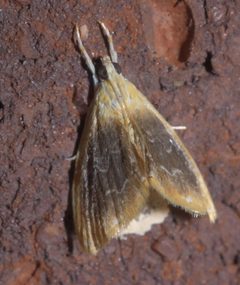
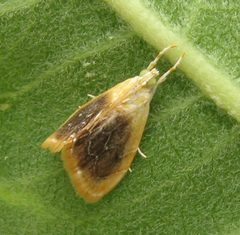
Glaphyria fulminalis, commonly known as the Black-patched Glaphyria , is a small crambid moth described by Julius Lederer in 1863. It is native to the eastern United States, where it occurs from New England south to Florida and westward to Texas and the Midwest. are active during the summer months and are characterized by their small size and distinctive wing patterning.
Pronunciation
How to pronounce Glaphyria fulminalis: //ɡlæˈfɪriə fʊlˈmɪnəlɪs//
These audio files are automatically generated. While they are not always 100% accurate, they are a good starting point.
Identification
The combination of very small size (wingspan ~11 mm), eastern US distribution, and the presence of a black patch on the forewing distinguishes this from most other Glaphyria. Hodges number 4873. Confident identification may require genitalia examination or comparison with similar Glaphyria species such as G. sesquistrialis.
Images
Appearance
Small with a wingspan of approximately 11 mm. The refers to a dark patch on the forewing, though specific coloration details require examination of specimens. Overall size is notably small for the Crambidae.
Distribution
Eastern United States: from Connecticut south to Florida, west to Texas and Illinois. The range covers the Atlantic coastal plain and extends into the Midwest.
Seasonality
are on wing from May to August, with peak activity during summer months.
Similar Taxa
- Glaphyria sesquistrialisOverlapping range and similar size; distinguished by wing pattern details requiring close examination
More Details
Taxonomic Note
NCBI lists authority as (Grote, 1878), conflicting with Catalogue of Life and other sources that cite Lederer, 1863. The earlier date (1863) is preferred following standard nomenclatural practice.
Observation Data
Over 1,100 observations recorded on iNaturalist, indicating this is frequently encountered and photographed by citizen scientists within its range.