
Evergestis subterminalis
Barnes & McDunnough, 1914
Brown-patched Evergestis
Evergestis subterminalis is a crambid described by Barnes and McDunnough in 1914. It is to western North America, occurring in montane meadow from Alberta to California. are active from mid-summer through autumn and possess distinctive wing patterning that facilitates identification.
Pronunciation
How to pronounce Evergestis subterminalis: /ˌɛvərˈɡɛstɪs ˌsʌbtərˈmɪnəlɪs/
These audio files are automatically generated. While they are not always 100% accurate, they are a good starting point.
Identification
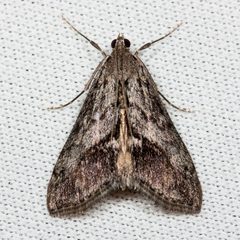
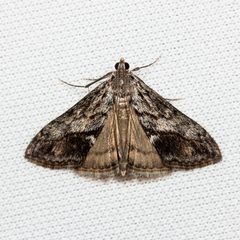
Distinguished from congeneric by the combination of: rust red patch on forewing between postmedian and subterminal lines (the 'brown patch' referenced in ); black angled (not straight) antemedian and postmedian lines; pale pink ochre hindwings with dark terminal band. The montane meadow and western North American range further support identification.
Images
Appearance
Wingspan approximately 30 mm. Forewings dark grey with black angled antemedian and postmedian lines; area suffused and bordered with white ; rust red patch between postmedian and subterminal lines; terminal area grey. Hindwings pale pink ochre with dark postmedian line and broader terminal band.
Habitat
Montane meadows in western North America. Elevation range not specified but implied by montane designation.
Distribution
Western North America: west-central Alberta south through Colorado, Utah, to California. Disjunct or continuous distribution across this latitudinal range not established.
Seasonality
on wing July to October. Single or multiple per year not determined.
Similar Taxa
- Other Evergestis speciesShare general crambid and wing pattern elements; E. subterminalis distinguished by rust red forewing patch and angled transverse lines
More Details
Taxonomic history
Described by American entomologists William Barnes and James Halliday McDunnough in 1914, both prominent figures in North American lepidopterology of the early 20th century.