
Thaumatopsis
Morrison, 1874
Species Guides
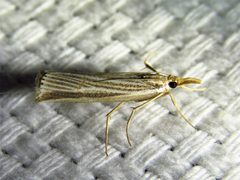
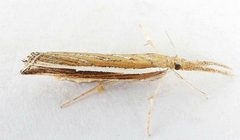
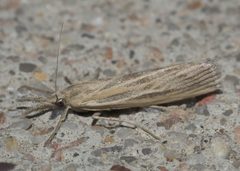
12Thaumatopsis is a of grass moths in the Crambidae, Crambinae. The genus contains approximately 15 described distributed primarily in North America, with some species ranging into Central America. are generally small to medium-sized with relatively plain coloration. Larvae are associated with grasses and related plants, though specific associations remain documented for only some species.
Pronunciation
How to pronounce Thaumatopsis: //ˌθɔːməˈtɒpsɪs//
These audio files are automatically generated. While they are not always 100% accurate, they are a good starting point.
Identification
Members of Thaumatopsis can be distinguished from related crambine by genitalic characters, particularly male valvae structure and female signum configuration. Wing patterns are generally subdued, with often showing gray-brown ground color with faint longitudinal streaking or speckling. Forewings typically lack strong transverse lines or distinct spots seen in some related genera. Accurate species-level identification usually requires dissection and examination of genitalia.
Images
Habitat
occur in grassland , prairies, meadows, and open areas where larval grasses are present. Some species have been recorded from disturbed habitats including agricultural fields and roadsides.
Distribution
Primarily Nearctic, with most occurring in the United States and southern Canada. Several species extend into Mexico and Central America. Records suggest concentration of diversity in the Great Plains and eastern North America, though sampling may affect this pattern.
Seasonality
have been recorded from spring through fall depending on , with most activity during summer months. Specific periods vary by latitude and species.
Similar Taxa
- CrambusSimilar grass moth and ; Crambus often show more distinct wing patterns with stronger transverse lines and can have more pronounced labial palps. Thaumatopsis generally has plainer forewings and requires genitalic examination for reliable separation.
- PediasiaOverlapping size range and grassland ; Pediasia often have more contrasting wing patterns with distinct dark discal spots or bands. Male structure and genitalia provide definitive separation.