
Geina periscelidactylus
(Fitch, 1854)
grape plume moth, Grape and Sheppard's Plume Moths
Geina periscelidactylus, commonly known as the grape , is a small in the Pterophoridae found in eastern North America. have a wingspan of approximately 16 mm and are active during summer months. The larvae are feeders on grape (Vitis) and Virginia creeper (Parthenocissus), constructing webs among young foliage.
Pronunciation
How to pronounce Geina periscelidactylus: /ˈdʒiːnə ˌpɛrɪˌskɛlɪˈdæktɪləs/
These audio files are automatically generated. While they are not always 100% accurate, they are a good starting point.
Identification
Distinguished from other Geina by plant association and geographic range in eastern North America. The specific epithet refers to leg structure, though field identification to species level requires examination of genitalia or association with larval host plants. Similar to other plume moths in general appearance but smaller than many .
Images
Appearance
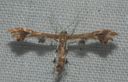
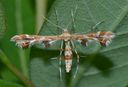
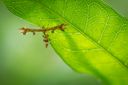
Small with wingspan approximately 16 mm. Wings are deeply divided into feathery plumes, characteristic of the Pterophoridae. have a delicate, slender body with muted coloration typical of the .
Habitat
Found in areas supporting plants: vineyards, woodland edges, and riparian zones with grape or Virginia creeper. Larval consists of young leaf growth and shoot tips of host plants.
Distribution
Eastern North America, with records from Canada and the United States. Distribution closely follows the range of cultivated and wild grape .
Seasonality
active from June to July. Single per year with larval development occurring in spring to early summer.
Diet
Larvae feed exclusively on grape (Vitis spp.) and Virginia creeper (Parthenocissus spp.). do not feed.
Host Associations
- Vitis - larval food plantcultivated and wild grape
- Parthenocissus - larval food plantVirginia creeper
Life Cycle
Complete . laid on plant. Larvae web together young leaves and shoots while feeding. occurs within larval web or in debris. emerge in early summer.
Behavior
Larvae construct silk webs that bind young leaves and shoots together, feeding within this protected structure. This webbing distinguishes them from other grape-feeding Lepidoptera.
Ecological Role
Minor herbivore in wild grape and Virginia creeper . Considered a minor pest in cultivated vineyards, though rarely causing significant economic damage.
Human Relevance
Minor agricultural pest on cultivated grape. Occasional presence in vineyards noted but generally not requiring intervention. Of interest to lepidopterists due to specialized associations.
Similar Taxa
- Other Geina speciesSimilar ; distinguished by plant, geographic range, and genitalia
- Other PterophoridaeShare divided wing structure; Geina periscelidactylus distinguished by small size and eastern North American distribution
More Details
Taxonomic Note
The epithet has appeared as both 'periscelidactylus' and 'periscelidactyla' in literature; 'periscelidactylus' is the accepted form per Catalogue of Life.
Pest Status
Classified as a minor pest; larval webbing can affect appearance of grape foliage but economic impact is limited.