
Emmelina
Tutt, 1905
bindweed plume moths
Species Guides
2- Emmelina buscki(Tropical Morning Glory Plume Moth)
- Emmelina monodactyla(Morning-glory Plume Moth)
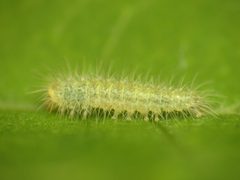
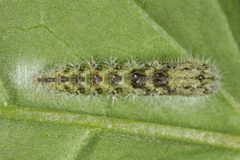
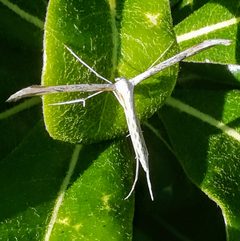
Emmelina is a of plume moths ( Pterophoridae) established by Tutt in 1905, with a nearly distribution. The genus contains approximately 17 described , including the well-known bindweed , Emmelina monodactyla. Species in this genus are associated with plants in the genera Convolvulus and Calystegia (morning glories and bindweeds). At least one species, E. monodactyla, has been documented as a for the ichneumonid Phaeogenes vincibilis.
Pronunciation
How to pronounce Emmelina: //ˌɛmɛˈliːnə//
These audio files are automatically generated. While they are not always 100% accurate, they are a good starting point.
Identification
Members of Emmelina can be distinguished from other by wing venation and genitalia characteristics, though specific diagnostic features require examination. The genus is placed in the tribe Oidaematophorini based on morphological traits.
Images
Distribution
Nearly ; records exist from Europe (Denmark, Norway, Sweden), North America (United States, including Vermont), and presumably other regions given the cosmopolitan range.
Diet
Larvae are but show preference for plants in the Convolvulus and Calystegia ( Convolvulaceae).
Host Associations
- Phaeogenes vincibilis - Emmelina monodactyla serves as for this solitary ichneumonine pupal ; first documented host record for this parasitoid
Ecological Role
for solitary ichneumonine pupal ; larvae function as herbivores on bindweed and morning glory plants.
Similar Taxa
- Other Pterophoridae generaEmmelina is distinguished by tribal placement in Oidaematophorini and specific wing venation patterns; accurate identification to level requires examination of genitalia
More Details
Taxonomic history
The was established by Tutt in 1905. The Catalogue of Life places Emmelina in the tribe Oidaematophorini within Pterophorinae.
Species diversity
As of 2022, at least 17 are recognized, with several described recently by Ustjuzhanin & Kovtunovich (2021, 2022) and Gielis (2016).