
Leptodeuterocopus
T. B. Fletcher, 1910
Species Guides
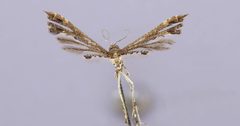
1- Leptodeuterocopus neales(Everglades Plume Moth)
Leptodeuterocopus is a of plume moths in the Pterophoridae, erected by Thomas Bainbrigge Fletcher in 1910 with Leptodeuterocopus citrogaster as the type . The genus comprises at least 14 described species distributed across the Neotropical and Oriental regions, with several species originally described in other genera before being transferred to Leptodeuterocopus. Species in this genus are characterized by their , though specific diagnostic features distinguishing them from related genera remain incompletely documented in accessible literature.
Pronunciation
How to pronounce Leptodeuterocopus: //ˌlɛptoʊˌdjuːtəroʊˈkoʊpəs//
These audio files are automatically generated. While they are not always 100% accurate, they are a good starting point.
Identification
Members of Leptodeuterocopus can be distinguished from related by combinations of wing venation, wing division patterns, and genitalic structures, though precise diagnostic characters require examination. Several were transferred from Deuterocopus and Oxyptilus, suggesting historical confusion with these genera. Accurate identification to species level generally requires dissection and reference to original descriptions by Gielis, Meyrick, and Fletcher.
Images
Distribution
The has a disjunct distribution spanning the Neotropical region (Panama, Trinidad, Ecuador including Tungurahua province) and the Oriental region (Sorong in New Guinea), with some known from South America. This pattern suggests either a relictual distribution or incomplete sampling of tropical faunas.
Similar Taxa
- DeuterocopusSeveral Leptodeuterocopus were originally described in Deuterocopus, indicating historical taxonomic confusion and morphological similarity requiring careful examination to separate.
- Oxyptilus transfers from Oxyptilus to Leptodeuterocopus demonstrate overlapping morphological characteristics that necessitate detailed study for accurate generic assignment.
More Details
Taxonomic history
The was established by Fletcher in 1910, with significant revisionary work by Gielis in 1996 and 2006 adding multiple new and clarifying boundaries. The Catalogue of the Pterophoroidea of the World (version 1.1.23.125) recognizes 14 species.