
Pyrisitia proterpia
(Fabricius, 1775)
little yellow
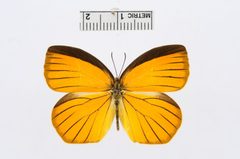
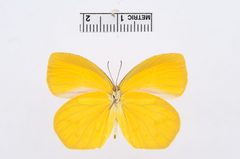
Pyrisitia proterpia, commonly known as the little yellow, is a small in the Pieridae. It occurs across the southern United States, Mexico, Central America, and parts of South America including Colombia. The is associated with open and has been documented in gardens and natural areas.

Pronunciation
How to pronounce Pyrisitia proterpia: /pɪˈrɪsɪtiə proʊˈtɜːrpiə/
These audio files are automatically generated. While they are not always 100% accurate, they are a good starting point.
Identification
Distinguished from similar sulphur butterflies (Phoebis, Abaeis, Zerene) by its smaller size and more uniformly yellow coloration without the orange patches of Abaeis nicippe or the larger size and more angular wings of Phoebis sennae. The little yellow lacks the dogface pattern on forewings characteristic of Zerene cesonia. Pyrisitia lisa is extremely similar and has been treated as or separate ; precise identification may require examination of genitalia or geographic context.
Images
Appearance
Small with bright yellow to orange-yellow upper wing surfaces. Wings are relatively rounded with minimal angularity. Underside of wings is paler yellow with small dark spots. Sexes are similar in coloration, though females may show slightly more extensive dark markings on wing margins.
Habitat
Open, sunny including fields, meadows, roadsides, and disturbed areas. Documented in gardens with native flora. Associated with areas supporting plants in the legume .
Distribution
North America (United States, Mexico), Central America, and South America. Documented occurrences include Colombia (Bucaramanga, El Playón, Los Santos, Piedecuesta, Manizales, Villavicencio, Municipio Pueblo Rico in Risaralda, and locations in Cuenca río Amoyá and Cuenca río Lagunilla).
Seasonality
Active during warmer months; specific period varies by latitude. Multiple per year in southern parts of range.
Diet
feed on nectar from flowers. Larvae feed on plants in the legume (Fabaceae), though specific plant records for this are not detailed in provided sources.
Host Associations
- Fabaceae - larval plant Specific not documented in provided sources
Life Cycle
Complete with , larva, pupa, and stages. Multiple per year in favorable climates. stage not specified in provided sources.
Behavior
are active fliers in sunny, open areas. is relatively low and fluttering. Males may patrol for females in suitable .
Ecological Role
of flowers during nectar-feeding. Larvae function as herbivores on leguminous plants.
Human Relevance
Subject of observation and photography in gardens and natural areas. Documented at the Lady Bird Johnson Wildflower Center in Texas as part of diversity surveys.
Similar Taxa
- Pyrisitia lisaExtremely similar in appearance; historically treated as or closely related ; may require genital dissection for definitive identification
- Abaeis nicippeLarger with distinct orange patches on upper wing surfaces; 'sleepy orange' refers to this color pattern
- Phoebis sennaeMuch larger cloudless sulphur with more angular wings and often greenish-yellow coloration
- Zerene cesoniaSouthern dogface with distinctive dark dogface pattern on forewings and larger size