
Abaeis nicippe
(Cramer, 1779)
Sleepy Orange
Abaeis nicippe, commonly known as the Sleepy Orange, is a medium-sized in the Pieridae. The exhibits seasonal variation in coloration, with summer individuals typically bright orange and winter forms showing darker, more heavily marked wings. It is known for its , where males patrol ridge tops and summits to locate females. The species has been documented engaging in aerial competitions with other males when pursuing females.

Pronunciation
How to pronounce Abaeis nicippe: /ˈæ.bi.aɪs nɪˈsɪ.pi/
These audio files are automatically generated. While they are not always 100% accurate, they are a good starting point.
Identification
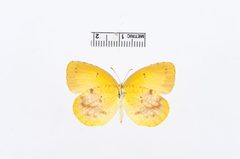
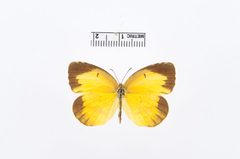
The Sleepy Orange can be distinguished from similar pierid butterflies by its orange to yellow-orange ground color with black marginal markings. The forewing typically shows a small black spot near the apex. Summer forms are brighter orange with reduced dark markings, while winter forms are darker with more extensive black patterning. The lacks the distinct white spots on the wing margins seen in some related sulphurs. Males and females are similar in appearance, though females may show slightly more extensive dark markings.
Images
Habitat
Open, sunny areas including fields, meadows, roadsides, and disturbed . The is associated with areas where its larval plants grow, particularly in subtropical and warm temperate regions. It has been observed in desert scrub, grasslands, and urban gardens.
Distribution
Widespread in the southern United States from California east to the Carolinas, and south through Mexico, Central America, and the Caribbean to South America. The extends northward seasonally, occasionally reaching as far as southern Canada. It has been introduced to Hawaii and other Pacific islands. Records indicate presence in the southwestern U.S. desert regions including Arizona and New Mexico.
Seasonality
are active year-round in the southernmost parts of the range, with peak activity in spring and summer. In more northern areas, it appears as a seasonal migrant or temporary colonist during warm months. Multiple occur annually in favorable climates.
Diet
Larvae feed on plants in the Fabaceae, particularly of Cassia (Senna) and other leguminous . visit flowers for nectar and have been observed on a variety of blooming plants including asters, composites, and other available floral resources.
Host Associations
- Cassia - larval primary for larvae
- Senna - larval leguminous plants in Fabaceae
Behavior
Males engage in , flying to elevated terrain features such as ridges, hilltops, and mountain summits to locate females. At these sites, males patrol routes along the summit or defend perches, actively competing with other males through aerial pursuits when a female is detected. This involves spectacular vertical where males spiral upward until one concedes. are rapid, agile fliers.
Ecological Role
As a , contribute to the reproductive success of various flowering plants. Larvae serve as herbivores in their , consuming leguminous vegetation. The functions as prey for birds, spiders, and other .
Human Relevance
The Sleepy Orange is appreciated by enthusiasts and contributes to butterfly diversity in gardens and natural areas. It is occasionally featured in butterfly exhibits and educational displays. The has been studied for its mating and seasonal .
Similar Taxa
- Abaeis aideaBright orange sulphur with similar size and wing shape, but lacks the seasonal darkening of winter forms and has different distribution and associations
- Pyrisitia lisaSmall sulphur with yellow-orange coloration, but smaller in size with more rounded wings and different pattern
- Colias eurythemeOrange sulphur with similar coloration, but shows more extensive black marginal banding and white wing spots not present in A. nicippe