
Pyrisitia dina
(Poey, 1832)
Dina Yellow
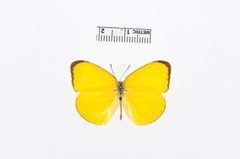
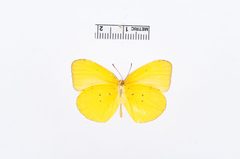
Pyrisitia dina is a small yellow in the Pieridae, distributed across the Caribbean, Middle America, and southern North America. The is one of several yellows in the Pyrisitia, which are often associated with open, sunny . are typically active year-round in tropical regions and during warmer months in temperate areas.
Pronunciation
How to pronounce Pyrisitia dina: /paɪˈrɪsɪtiə ˈdaɪnə/
These audio files are automatically generated. While they are not always 100% accurate, they are a good starting point.
Identification
Pyrisitia dina can be distinguished from similar yellow butterflies by its small size and wing pattern. The upper surface is bright yellow with narrow black borders on the forewings. The underside of the hindwing often shows small dark spots near the margin. It is smaller than most Eurema and lacks the extensive orange or reddish markings seen in Abaeis nicippe (sleepy orange). Precise identification may require examination of wing venation and genitalia, as Pyrisitia species are morphologically similar.
Images
Habitat
Open, sunny areas including fields, roadsides, coastal scrub, and disturbed . Often found in lowland tropical and subtropical regions.
Distribution
Caribbean islands, Middle America (Mexico through Central America), and southern North America (southern United States, particularly Florida and Texas).
Seasonality
Year-round activity in tropical portions of range; primarily spring through fall in temperate North American areas.
Host Associations
- Fabaceae - larval plantlegumes including Cassia and related
Similar Taxa
- Pyrisitia lisaSimilar small yellow with overlapping range; P. lisa typically has more extensive black forewing borders and different spot patterns on hindwing underside
- Eurema dairaLarger size and different wing shape; Eurema generally have more rounded wing margins
- Abaeis nicippeSleepy orange has distinctive orange or salmon-colored wings with more extensive dark markings, particularly in summer forms
More Details
Taxonomic history
Formerly placed in the Terias, which has been synonymized with Pyrisitia. The was described by Felipe Poey in 1832 from Cuban specimens.
Conservation status
Not considered threatened; widespread and locally common throughout its range.