
Aphrissa
Butler, 1873
sulphurs, sulfurs
Species Guides
2- Aphrissa neleis(Pink-spot Sulphur)
- Aphrissa statira(statira sulphur)
Aphrissa is a of sulphur butterflies in the Pieridae, comprising approximately eight distributed across Central and South America, with some species extending into the Caribbean and southern Florida. The genus was established by Butler in 1873. Species within Aphrissa are characterized by yellow to pale orange wings and are commonly known as sulphurs or sulfurs. Several species exhibit migratory , most notably Aphrissa statira, which undertakes seasonal movements in large numbers.


Pronunciation
How to pronounce Aphrissa: /əˈfrɪsə/
These audio files are automatically generated. While they are not always 100% accurate, they are a good starting point.
Identification
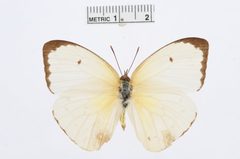
Aphrissa are distinguished from other Pieridae by their relatively slender wing shape and pale yellow to orange coloration. They can be separated from the closely related genus Phoebis by subtle differences in wing venation and male genitalia structure. Aphrissa statira, the most widespread species, has pale yellow wings with minimal dark markings, while Aphrissa neleis displays a distinctive pink spot on the hindwing. Accurate identification to species level often requires examination of the male claspers and .
Images
Habitat
Found in tropical and subtropical environments including coastal areas, forest edges, open woodlands, and agricultural fields. Many favor lowland elevations, though some occur in premontane zones. Aphrissa statira in particular is associated with disturbed and coastal regions.
Distribution
Central America, South America, and the Caribbean. Range extends from Mexico and Florida southward through Central America to Argentina. Caribbean occur on Hispaniola, Jamaica, and other islands. Individual species distributions vary: Aphrissa statira ranges from Florida to Mexico and throughout the Caribbean; Aphrissa wallacei occurs from Rica to Argentina; Aphrissa godartiana is restricted to Hispaniola and Jamaica.
Seasonality
are active year-round in tropical portions of the range. In subtropical areas such as southern Florida, activity peaks during warmer months with reduced presence in winter. Mass of Aphrissa statira have been observed during late summer and fall in Florida and the Caribbean.
Host Associations
- Capparaceae - larval plant-level association reported for Aphrissa ; specific may include Capparis
- Fabaceae - larval plantSome reported to use legumes as plants
Behavior
Several , particularly Aphrissa statira, undertake mass involving thousands of individuals moving in consistent directional patterns. Migratory typically occur during daylight hours. frequently visit flowers for nectar and gather at moist ground substrates for minerals. Males patrol open areas in search of females.
Ecological Role
serve as for various flowering plants. Larvae function as herbivores on plants in the Capparaceae and Fabaceae. The contributes to nutrient cycling through larval feeding and adult-mediated pollen transfer.
Human Relevance
Aphrissa statira in Florida occasionally attract public attention due to the spectacular numbers involved. The has minor significance in watching and photography. No economic importance as pests or beneficial insects has been documented.
Similar Taxa
- PhoebisSimilar yellow coloration and preferences; distinguished by wing shape, venation details, and male genitalia
- RhabdodryasOverlapping distribution and appearance; Aphrissa generally have more slender wings and different patterns
- PrestoniaFormerly considered congeneric with Aphrissa; now separated based on genitalic and wing pattern differences
More Details
Taxonomic history
The was revised in the early 20th century, with several transferred to or from related genera based on genitalic studies. The relationship between Aphrissa and the primarily South American genus Rhabdodryas remains under investigation.
Migration research
Aphrissa statira have been studied as a model for orientation , though less extensively than the related Phoebis sennae. Directional persistence during migration suggests use of visual cues rather than wind-borne passive .