
Papilio zelicaon nitra
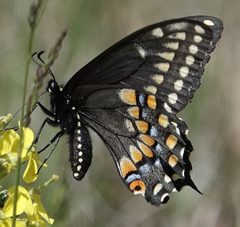
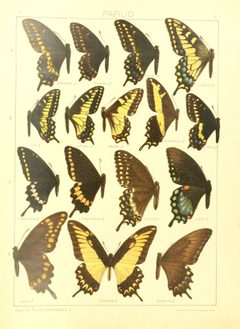
Papilio zelicaon nitra is a of the anise swallowtail, a western North American in the Papilionidae. The parent Papilio zelicaon is well-documented as having larvae that resemble bird droppings, providing camouflage from . When disturbed, the caterpillar extends its osmeterium, a forked that releases a strong odor as a defensive mechanism. This subspecies is part of a group showing complex adaptations including non- strategies in some .
Pronunciation
How to pronounce Papilio zelicaon nitra: /pəˈpɪlioʊ zɛˈlɪkeɪˌɒn ˈnaɪtrə/
These audio files are automatically generated. While they are not always 100% accurate, they are a good starting point.
Images
Life Cycle
Larvae of Papilio zelicaon have been observed to resemble bird droppings, a form of camouflage. When disturbed, the caterpillar extends its osmeterium—forked that emit a strong odor as a defensive response. Research on the parent indicates some California exhibit non- , with flying and laying late into the season producing non-diapause pupae.
More Details
Research context
Papilio zelicaon has been studied in long-term research on and climate change by UC Davis professor Art Shapiro since 1972. A 1984 publication by Shapiro documented non- in California of both Pieris rapae and Papilio zelicaon, describing Type III diapause-induction curves as adaptive mechanisms.
Parent species biology
The Papilio zelicaon (anise swallowtail) has been documented feeding on fennel as a plant. have been photographed nectaring on anise. The species is part of research programs tracking trends and phenological shifts across central California.
Sources and further reading
- BugGuide
- iNaturalist taxon
- Bruce Hammock: From Researching Insects to Helping Humankind | Bug Squad
- Art Shapiro: 'Butterflies as Heralds of the Apocalypse' | Bug Squad
- Jeff Smith Zooms in on 'Mimicry in Butterflies and Moths' | Bug Squad
- Beer-for-Butterfly Contest Set; Why It's of Special Interest This Year | Bug Squad
- For the Love of Butterflies | Bug Squad
- A Big Butterfly-and-Bee Day at the Bohart | Bug Squad