
Polygonia oreas
(Edwards, 1870)
Oreas Comma
Polygonia oreas, the oreas comma, is a in the Nymphalidae found in mountainous regions of western North America. have a wingspan of 42–52 mm and are active from June to October depending on location. The inhabits coastal redwood forests and mountain conifer forests. Larvae feed on Ribes species, while adults consume tree sap, rotting fruit, and rarely flower nectar.
Pronunciation
How to pronounce Polygonia oreas: /ˌpɒlɪˈɡoʊniə ˈɔːriæs/
These audio files are automatically generated. While they are not always 100% accurate, they are a good starting point.
Identification
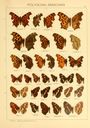
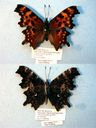
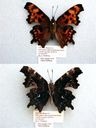
Polygonia oreas can be distinguished from similar Polygonia by its geographic range and preferences. It is most similar to the green comma (P. faunus) and grey comma (P. progne), but occurs in more westerly and higher elevation habitats than these relatives. Like other comma butterflies, it has notched wing margins and a comma-shaped mark on the hindwing underside.
Images
Habitat
Coastal redwood forests and mountain conifer forests in mountainous terrain.
Distribution
Mountains from southern British Columbia and southwestern Alberta to northern California.
Seasonality
Flies from June to October depending on location.
Diet
Larvae feed on Ribes . feed on tree sap and rotting fruit; they rarely feed on flower nectar.
Similar Taxa
- Polygonia faunusGreen comma, similar in appearance but differs in distribution and preferences
- Polygonia progneGrey comma, similar in appearance but differs in distribution and preferences
Sources and further reading
- BugGuide
- Wikipedia
- GBIF taxonomy match
- iNaturalist taxon
- Catalogue of Life
- 'Battus philenor! Battus philenor!' | Bug Squad
- Do Moths Usually Land with Their Wings Down? | Bug Squad
- Nettles and poop on the menu for the Eastern Comma butterfly, Polygonia comma — Bug of the Week
- Polygonia-comma - Entomology Today
- Bug Eric: City Nature Challenge 2023 Recap
- Archive — Bug of the Week