
Epiphelini
Genus Guides
1Epiphelini is a tribe of butterflies within the Biblidinae (Nymphalidae). Members of this tribe are Neotropical in distribution and are characterized by their medium to large size and often striking wing patterns. The tribe includes such as Epiphile and Catonephele, commonly known as the 'fire-winged' or 'banner' butterflies. These butterflies are primarily forest-dwelling and are often encountered along forest edges and streams.
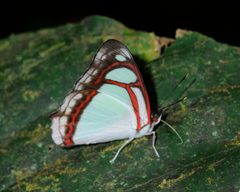
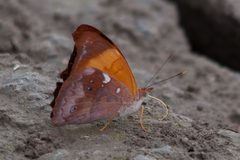
Pronunciation
How to pronounce Epiphelini: /ˌɛpɪˈfiːlaɪni/
These audio files are automatically generated. While they are not always 100% accurate, they are a good starting point.
Identification
Epiphelini butterflies are generally medium to large with robust bodies. Many exhibit dark wings with contrasting orange, red, or white patches, particularly on the forewings. The Catonephele is notable for strong , with males typically having dark wings with orange patches and females being more cryptically patterned. The genus Epiphile often features more complex patterns with bands or spots. Unlike some related tribes, Epiphelini species tend to have reduced or inconspicuous eyespots on the wings.
Images
Habitat
Tropical and subtropical forests, particularly lowland rainforests and premontane forests. Often found along forest edges, riverbanks, and forest gaps where light penetration creates favorable conditions.
Distribution
Neotropical region, ranging from southern Mexico through Central America and into South America, including the Amazon basin and Atlantic forests of Brazil.
Diet
feed on rotting fruit, tree sap, and occasionally or carrion. Larval plants are primarily in the Euphorbiaceae, with some records from Acanthaceae and other families.
Host Associations
- Euphorbiaceae - larval plantPrimary for larvae
Life Cycle
Complete with , larva (caterpillar), pupa (chrysalis), and stages. Larvae are often spiny or possess fleshy projections. Pupae are typically suspended from plants.
Behavior
are known to perch with wings closed, displaying the surface. They are frequently observed mud-puddling at damp ground or along stream edges to obtain minerals. is generally slow and gliding, with individuals often returning to favorite perches.
Ecological Role
contribute to nutrient cycling through their feeding on decaying organic matter. Larvae function as herbivores on their plants. Adults may serve as for some flowering plants, though this role is secondary to their frugivorous habits.
Human Relevance
Popular subjects for photography and ecotourism due to their conspicuous appearance and relatively approachable . Some are featured in butterfly houses and exhibits. Not considered agricultural pests.
Similar Taxa
- BiblidiniAlso within Biblidinae; Epiphelini distinguished by more robust body, different wing pattern elements, and larval plant associations
- LimenitidinaeFormerly merged with Biblidinae; Epiphelini lack the characteristic reduced forelegs and wing venation patterns of Limenitidinae
- Eurytelinae (historical)Obsolete name sometimes applied to this group; modern places these within Biblidinae as Epiphelini
More Details
Taxonomic history
The tribe has undergone significant taxonomic revision. Historically, many now placed in Epiphelini were classified under Eurytelinae, a name now considered a synonym of Biblidinae. The separation from Limenitidinae was confirmed through molecular phylogenetic studies.