
Amblyscirtes nysa
Edwards, 1877
Nysa Roadside-Skipper, nysa roadside skipper
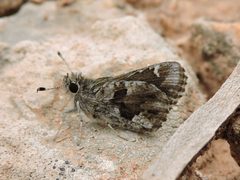
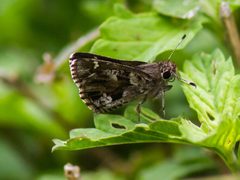
Amblyscirtes nysa, commonly known as the Nysa Roadside-Skipper, is a grass in the Hesperiidae. The exhibits a disjunct distribution spanning from Mexico through the southwestern United States into the southern Great Plains, with occasional vagrant records extending beyond its core range. Males establish perching territories in specific microhabitats during early morning hours. The species produces one to three annually depending on latitude, with caterpillars feeding on grasses.
Pronunciation
How to pronounce Amblyscirtes nysa: //ˌæm.bliˈskɜːrtiːz ˈnaɪsə//
These audio files are automatically generated. While they are not always 100% accurate, they are a good starting point.
Identification
A small grass skipper with rapid, darting typical of the . Identification to level likely requires examination of wing pattern details and male genitalia; specific diagnostic characters are not detailed in available sources. The "roadside skipper" suggests association with disturbed, open that may aid in field recognition.
Images
Habitat
Associated with open, disturbed including wash bottoms, road depressions, unpaved roads, and trails. One documented observation occurred in a sandy, abandoned road corridor adjacent to a riparian area. Vegetation consists of grasses that serve as larval plants.
Distribution
Native range extends from Mexico through southeastern Arizona, southern New Mexico, and the western two-thirds of Texas, north and east through Oklahoma and the eastern two-thirds of Kansas, barely entering Missouri. Vagrant or peripheral records include Colorado (Prowers County, Las Animas County) and potentially other areas outside the core range. The has been observed in Central America though specific countries are not documented in available sources.
Seasonality
activity occurs during the growing season with timing varying by latitude and elevation. Males perch in territories very early in the morning, retiring to shaded locations by mid-morning. One to three per year depending on geographic location, with multiple in southern portions of the range and fewer in northern areas.
Diet
Caterpillars feed on grasses; specific grass are not documented in available sources. feeding habits are not described in available sources.
Life Cycle
Holometabolous development with , larval, pupal, and stages. Multiple per year (one to three ) depending on geographic location. stage is not specified in available sources.
Behavior
Males establish perching territories in wash bottoms, road depressions, and along trails during early morning hours, typically before 10:00 AM, after which they retire to shaded locations. This suggests strong territoriality tied to specific microtopographic features.
Human Relevance
Subject of interest to lepidopterists due to its restricted distribution and rarity in peripheral areas. A 2017 Colorado record represented a county record and highlighted the value of opportunistic observation and documentation. The serves as an example of range dynamics and vagrancy in butterflies.
Similar Taxa
- Other Amblyscirtes species members share grass skipper , rapid , and association with open ; -level identification requires careful examination of wing patterns and genitalia
- Common Sootywing (Pholisora catullus)Similar small size and dark coloration; view of A. nysa has been mistaken for this in the field
More Details
Taxonomic Note
Catalogue of Life and GBIF list Amblyscirtes nysa as a synonym of Mastor nysa, though NCBI and iNaturalist maintain Amblyscirtes nysa as the accepted name. This taxonomic instability reflects ongoing revision of Hesperiidae generic limits.
Range Dynamics
The 2017 Colorado record from Lamar, Prowers County, fell well outside the published range map in standard field guides, illustrating potential range expansion or vagrancy not captured in existing distribution summaries.
Sources and further reading
- BugGuide
- Wikipedia
- GBIF taxonomy match
- iNaturalist taxon
- NCBI Taxonomy
- Catalogue of Life
- Bug Eric: Another Rarity: Nysa Roadside-Skipper in Colorado
- Home invader turned garden helper – Multicolored Asian lady beetle, Harmonia axyridis — Bug of the Week
- Back by Popular Demand - Ladybug, ladybug, fly away home: The Multicolored Asian Lady Beetle, Harmonia axyridis — Bug of the Week
- Aphid peril – Aphids, flower flies, lady beetles (MISSING VIDEO AND LINKS) — Bug of the Week
- She's a lady - or is she? The Multicolored Asian Lady Beetle, Harmonia axyridis — Bug of the Week
- The lion in my garden: Aphid lions, Chrysoperla carnea — Bug of the Week
- The habits and life history of Amblyscirtes nysa (hesperiidae) in Missouri