
Clostera albosigma
Fitch, 1856
sigmoid prominent
Clostera albosigma, commonly known as the sigmoid prominent, is a of in the Notodontidae. It occurs across much of North America, from the Atlantic coast to the Pacific, with a broad latitudinal range extending from the southern United States to northern Canada. The species is notable for its distinctive wing pattern and its association with poplar and willow plants. are active during the spring and summer months, with periods varying by geographic location.
Pronunciation
How to pronounce Clostera albosigma: /klɒˈstɛrə ælboʊˈsɪɡmə/
These audio files are automatically generated. While they are not always 100% accurate, they are a good starting point.
Identification
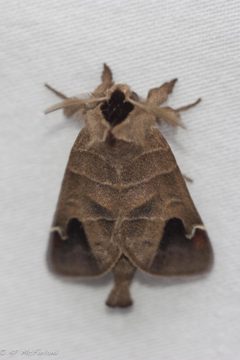
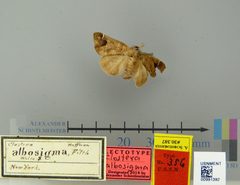
The sigmoid white marking on the forewing is the primary diagnostic feature, distinguishing this from other Clostera species and similar notodontid . The combination of this marking with the moderate size (28–38 mm wingspan) and overall brown-gray coloration separates it from . C. albosigma may be confused with other prominent moths in the , but the specific shape and placement of the white forewing marking is distinctive. Specimens from different geographic regions may show variation in ground color intensity.
Images
Appearance
Wingspan 28–38 mm. Forewings display a characteristic sigmoid (S-shaped) white marking, which gives the its . Overall coloration is variable but generally includes shades of brown, gray, and reddish-brown with contrasting light markings. Hindwings are typically paler than forewings. Body is moderately stout, consistent with the robust build typical of the Notodontidae.
Habitat
Associated with riparian zones and wooded areas where plants (Populus and Salix ) occur. include deciduous woodlands, forest edges, and areas near watercourses where poplars and willows grow. The species appears to favor early successional or disturbed habitats where host plants are abundant.
Distribution
North America: Newfoundland west to Vancouver Island, north to Great Slave Lake and Northwest Territories, south to at least Missouri. Documented from Canadian provinces including Alberta, Manitoba, and Saskatchewan, and from Vermont in the United States.
Seasonality
fly from May to August, with exact timing dependent on geographic location. In more northern parts of the range, period is likely compressed into the warmer months; southern may show extended or earlier flight periods.
Diet
Larvae feed on poplar (Populus) and willow (Salix). feeding habits are not documented in the provided sources.
Host Associations
- Populus - larval food plantpoplar
- Salix - larval food plantwillow
Ecological Role
Larval herbivore on woody plants in the Salicaceae . Contributes to nutrient cycling in riparian and woodland through herbivory on poplar and willow foliage.
Similar Taxa
- Other Clostera speciesSimilar size, shape, and general appearance; distinguished by the characteristic sigmoid white forewing marking unique to C. albosigma
- Other NotodontidaeShare -level traits of robust body and prominent wing patterns; require examination of specific wing markings for accurate identification
More Details
Nomenclature
described by Asa Fitch in 1856. The specific epithet albosigma refers to the white (albo-) sigmoid or S-shaped (-sigma) marking on the forewing.
Taxonomic placement
Placed in Pygaerinae within Notodontidae, reflecting its relationship to other Clostera and related .