
Ellida caniplaga
(Walker, 1856)
Linden Prominent, linden prominent moth
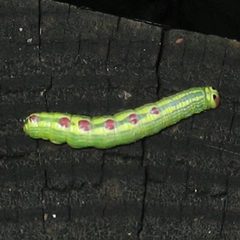
Ellida caniplaga, the linden prominent , is a North American notodontid moth distributed across eastern and central United States and Canada. fly from April through September with two annually in southern . The is strongly associated with Tilia (linden/basswood) trees, upon which larvae feed.
Pronunciation
How to pronounce Ellida caniplaga: /ɛˈliː.də kæˈnɪ.plə.ɡə/
These audio files are automatically generated. While they are not always 100% accurate, they are a good starting point.
Identification
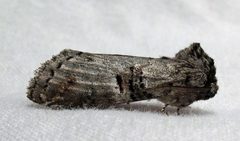
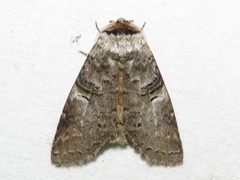
Distinguished from similar gray notodontids by association with Tilia plants and geographic range. Forewing pattern variable but generally shows diffuse dark shading with lighter basal and terminal areas. May be confused with other Ellida ; dissection or may be required for definitive identification in some cases.
Images
Appearance
Wingspan 34–44 mm. Forewings gray with variable darker markings; hindwings pale gray. Resting posture with wings held tent-like over body, typical of prominent moths. bipectinate in males, in females.
Habitat
Deciduous forests and woodlands, suburban and urban areas where linden/basswood trees are planted or native. Requires presence of Tilia for larval development.
Distribution
Eastern and central North America: from Texas to Florida, north to New Brunswick, west to Ontario and Minnesota. Presence confirmed in Vermont.
Seasonality
active April through September. Two per year in southern portion of range; single generation likely in northern areas.
Diet
Larvae feed exclusively on leaves of Tilia (linden, basswood). feeding habits not documented.
Host Associations
- Tilia - larval food plantSpecific Tilia not distinguished in sources; likely multiple species acceptable
Life Cycle
Two annually in the south. stage not specified in available sources. Larvae feed on Tilia leaves; details not documented.
Ecological Role
Herbivore: larval defoliation of Tilia trees. Serves as prey for . Role in nutrient cycling through leaf consumption.
Human Relevance
Minor pest potential in urban plantings of linden trees. No significant economic impact documented. Subject of citizen science observation (iNaturalist).
Similar Taxa
- Other Ellida species members share gray coloration and prominent ; require careful examination or dissection for separation
- General gray NotodontidaeMany notodontids exhibit similar gray forewings with variable markings; plant association and geographic range assist identification
More Details
Observation frequency
Well-represented in citizen science databases with over 2,800 iNaturalist observations, indicating commonness within its range.