
Heterocampa amanda
Barnes & Lindsey, 1921
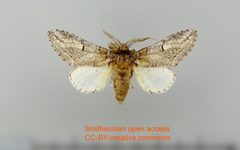
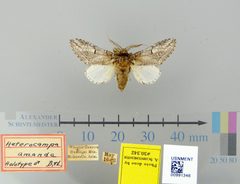
Heterocampa amanda is a in the Notodontidae (the prominents), described by William Barnes and Arthur Ward Lindsey in 1921. It is native to North America and assigned MONA/Hodges number 7992. The belongs to a whose larvae feed on various hardwood trees.
Pronunciation
How to pronounce Heterocampa amanda: //ˌhɛtɚoʊˈkæmpə əˈmændə//
These audio files are automatically generated. While they are not always 100% accurate, they are a good starting point.
Identification
Specific diagnostic features for H. amanda are not well documented in available sources. The Heterocampa is characterized by larvae with variable coloration and prominent humps or projections, but -level identification typically requires examination of genitalia or detailed wing pattern analysis.
Images
Distribution
North America. Specific range details beyond continental distribution are not documented in available sources.
Similar Taxa
- Heterocampa manteoCongeneric with overlapping North American distribution; larvae known as Variable Oakleaf Caterpillar, distinguished by preferences and
- Heterocampa astarteCongeneric in same geographic region; specific distinguishing features require detailed morphological comparison
More Details
Taxonomic History
Described by prominent lepidopterists William Barnes and Arthur Ward Lindsey in 1921. The epithet 'amanda' is of Latin origin, meaning 'worthy of love' or 'lovable'.
Catalog Reference
Recorded in major taxonomic databases including Catalogue of Life, GBIF, NCBI , and iNaturalist. The has minimal observation records in science platforms.
Sources and further reading
- BugGuide
- Wikipedia
- GBIF taxonomy match
- iNaturalist taxon
- NCBI Taxonomy
- Catalogue of Life
- They Created 'New Species' of Spiders | Bug Squad
- Characterizing the Link Between Climate and Thermal Limits in Beetles
- Bug Eric: Wasp Wednesday: Ammophila procera
- Researchers Propose Standardized Naming of Lab-Reared Insect Stocks
- Organizing a Science Symposium: Don't Be Intimidated!
- Curious People Lead the Way in Catching New Invasive Species