
Americerura scitiscripta
(Walker, 1865)
black-etched prominent, Black-etched Prominent Moth
Americerura scitiscripta, commonly known as the black-etched prominent , is a of prominent moth in the Notodontidae. It was originally described in the Cerura and Tecmessa before being placed in Americerura, a genus now restricted to the New World. The species is broadly distributed across North America, with active from early spring through autumn depending on latitude.
Pronunciation
How to pronounce Americerura scitiscripta: //əˌmɛɹɪˈsɛɹʊrə ˌskaɪtəˈskrɪptə//
These audio files are automatically generated. While they are not always 100% accurate, they are a good starting point.
Identification
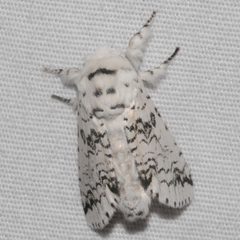
Distinguished from similar prominent moths by the fine, dark, etched line pattern on the forewings. The Americerura is separated from the Old World genus Cerura based on geographic distribution and morphological characters; A. scitiscripta is the only in this genus in most of its North American range.
Images
Appearance
have a wingspan of 25–40 mm. The forewings display a distinctive pattern of fine dark lines creating an etched or engraved appearance against a lighter background, giving rise to the .
Habitat
Associated with plant availability; found in areas supporting cherry, poplar, and willow trees, including deciduous woodlands, riparian corridors, and suburban plantings.
Distribution
North America: Quebec west to eastern Alberta, south to Florida and Texas.
Seasonality
on wing from March to October, with timing varying by location. One or two per year depending on latitude.
Diet
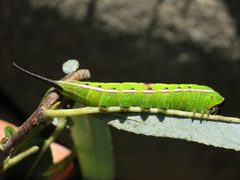
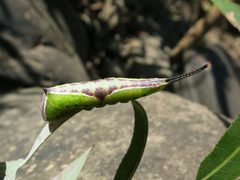
Larvae feed on leaves of cherry (Prunus), poplar (Populus), and willow (Salix). feeding habits not documented.
Host Associations
- Prunus - larval plantcherry
- Populus - larval plantpoplar
- Salix - larval plantwillow
Life Cycle
One or two per year depending on location. stage not explicitly documented in sources.
Ecological Role
Larval herbivore on deciduous trees; contributes to leaf turnover in riparian and woodland .
Human Relevance
Occasional minor pest of ornamental cherry, poplar, and willow; otherwise of limited economic significance. Subject of citizen science documentation through iNaturalist and photography groups.
Similar Taxa
- Cerura speciesFormerly classified together; now restricted to Old World; distinguished by geographic range and morphological characters
- Other NotodontidaeDistinguished by the distinctive etched forewing pattern and specific plant associations
More Details
Taxonomic History
The has undergone multiple generic reassignments: originally described as Cerura scitiscripta, later moved to Tecmessa, and currently placed in Americerura following the restriction of Cerura to Old World species.
Observation Data
Well-documented in citizen science platforms with 689+ iNaturalist observations as of source date.