
Baileya levitans
Smith, 1906
Pale Baileya Moth, pale baileya
Baileya levitans is a nolid in the Nolidae, described by Smith in 1906. It is one of several in the Baileya found in North America. The species is known from 788 iNaturalist observations and has been assigned MONA/Hodges number 8972. It occurs in the order Lepidoptera, which includes all butterflies and moths.
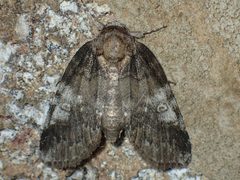
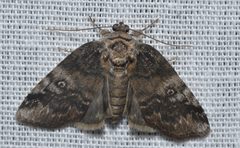

Pronunciation
How to pronounce Baileya levitans: //ˈbeɪliə ˈlɛvɪtænz//
These audio files are automatically generated. While they are not always 100% accurate, they are a good starting point.
Identification
No specific identification guidance available. The can be distinguished from other Baileya species by reference to original description (Smith 1906) and genitalia examination. The MONA/Hodges number 8972 provides a standardized reference for North American Lepidoptera identification.
Images
Appearance
No specific morphological description available for this . As a member of Nolidae, are typically small to medium-sized with relatively broad wings and compact bodies. The 'pale baileya' suggests lighter coloration compared to .
Distribution
North America. Specific records include Vermont, United States. The has been documented in 788 iNaturalist observations across its range.
Similar Taxa
- Baileya australisAnother North American in the same , distinguished by geographic distribution and morphological differences; 'Small Baileya Moth' has been documented in Kansas during National Week events
- Other Nolidae species-level similarities in wing shape and body form; precise identification requires examination of genitalia or reference to original descriptions
More Details
Taxonomic History
Originally described as Leptina levitans before transfer to Baileya. The genus Baileya is classified in Risobinae within Nolidae, superfamily Noctuoidea.
Observation Data
788 observations recorded on iNaturalist as of source date, indicating the is regularly encountered by citizen scientists but may be underdocumented in formal scientific literature.
Nomenclature
MONA ( of North America) or Hodges number 8972 provides a stable identifier for this in North American lepidopteran databases.