
Baileya australis
Grote, 1881
Small Baileya Moth
Pronunciation
How to pronounce Baileya australis: //ˈbeɪliə ɔːˈstreɪlɪs//
These audio files are automatically generated. While they are not always 100% accurate, they are a good starting point.
Identification
Small size (wingspan 21–28 mm) distinguishes it from larger Nolidae. The plain, debris-mimicking appearance and early-spring help separate it from similar small noctuoid . Examination of genitalia may be required for definitive identification from .
Images
Appearance
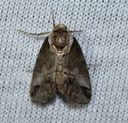
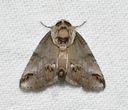
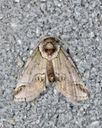
Wingspan 21–28 mm. A small with relatively plain, muted coloration that allows it to blend with plant debris.
Habitat
Associated with wooded and shrubby across its range. Specific plant requirements are not well documented.
Distribution
Eastern and central North America: Quebec and New York south to Florida, west to Texas, north to North Dakota and Ontario.
Seasonality
on wing April to September. Up to three per year in the southern portion of the range; fewer generations northward.
Life Cycle
Multivoltine with up to three annually in southern . stage not explicitly documented in available sources.
Behavior
are and attracted to ultraviolet light sources. The ' cryptic appearance suggests it may rest on vegetation or debris during daylight hours.
Ecological Role
Larval poorly known; likely functions as a primary consumer in . may serve as prey for .
Human Relevance
Occasionally encountered by citizen scientists during National Week and similar insect surveys. No documented economic importance.
Similar Taxa
- Other Baileya species share small size and general ; require genital dissection or detailed wing pattern analysis for separation.
- Small noctuoid moths in families Erebidae and NoctuidaeSimilar size and cryptic coloration; -level characters (such as tympanal organ structure) distinguish Nolidae.
More Details
Taxonomic history
Described by Grote in 1881, with the specific epithet 'australis' referring to its southern distribution relative to related .
Sources and further reading
- BugGuide
- Wikipedia
- iNaturalist taxon
- NCBI Taxonomy
- Catalogue of Life
- They Know Their Insects | Bug Squad
- Bug Eric: July 2022
- Destination Sonoran Desert: A time to sting for the Giant Hairy Desert Scorpion, 'Hadrurus arizonensis' — Bug of the Week
- Cimbicidae | Beetles In The Bush
- Nature's Night Lights - Buglife Blog - Buglife