
Nola clethrae
Dyar, 1899
sweet pepperbush nola moth
Nola clethrae is a small nolid described by Harrison Gray Dyar Jr. in 1899. It is commonly known as the sweet pepperbush nola moth, a name reflecting its association with Clethra (sweet pepperbush) plants. The occurs in North America, with confirmed records from the United States including Vermont. As a member of Nolidae, it belongs to a group of moths often characterized by their small size and relatively simple wing patterns.

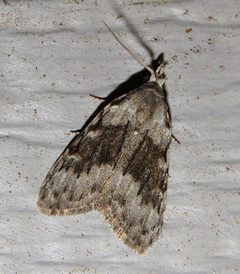
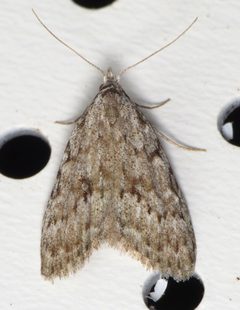
Pronunciation
How to pronounce Nola clethrae: //ˈnoʊlə ˈklɛθriː//
These audio files are automatically generated. While they are not always 100% accurate, they are a good starting point.
Identification
Nola clethrae can be distinguished from similar Nola by its specific association with Clethra plants and its North American distribution. The Nola contains many small, often drably colored that require careful examination of genitalia or association with specific host plants for reliable identification. The MONA (Moths of North America) or Hodges number 8996 provides a standardized reference for this species in North American faunal surveys.
Images
Distribution
North America; confirmed present in United States (including Vermont).
Host Associations
- Clethra - larval 'sweet pepperbush nola ' indicates association with sweet pepperbush (Clethra ), though specific feeding records require verification
Similar Taxa
- Other Nola speciesMany Nola are small, dull-colored with similar wing patterns; accurate identification often requires dissection and examination of genitalia or confirmed plant association
Sources and further reading
- BugGuide
- Wikipedia
- GBIF taxonomy match
- iNaturalist taxon
- NCBI Taxonomy
- Catalogue of Life
- Melittologist Laurence Packer: 'Extreme Bees in Extreme Environments' | Bug Squad
- People - AgriLife Extension Entomology
- Remembering Vernon Burton: 1924-2015 | Bug Squad
- Insects that feed on developing grain in the head - AgriLife Extension Entomology
- Frank Zalom: A Distinguished Public Service Scholar | Bug Squad
- U.S. Policy Leaves Country Vulnerable to Arthropod-Borne Diseases