Plagiomimicus ochoa
(Barnes, 1904)
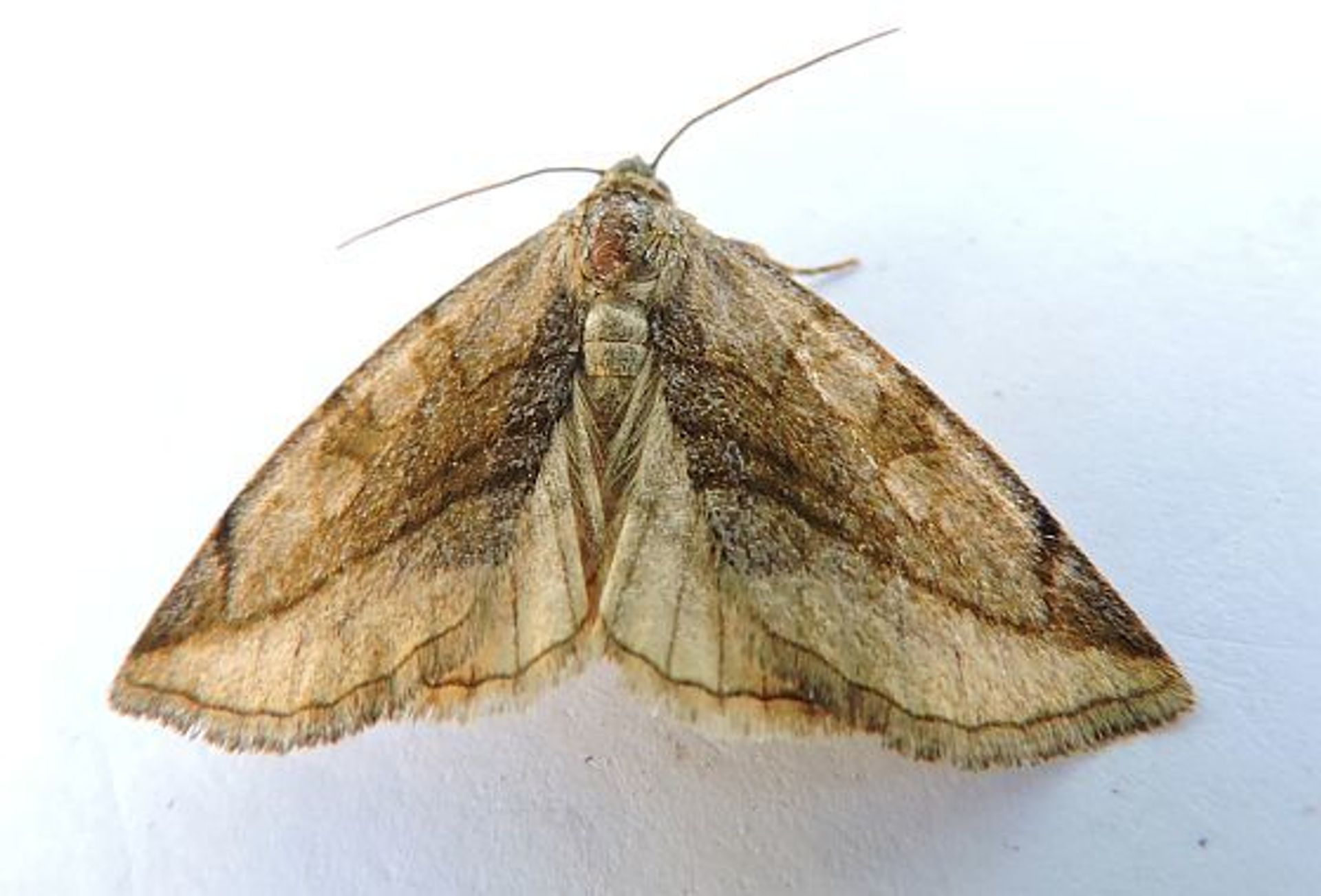
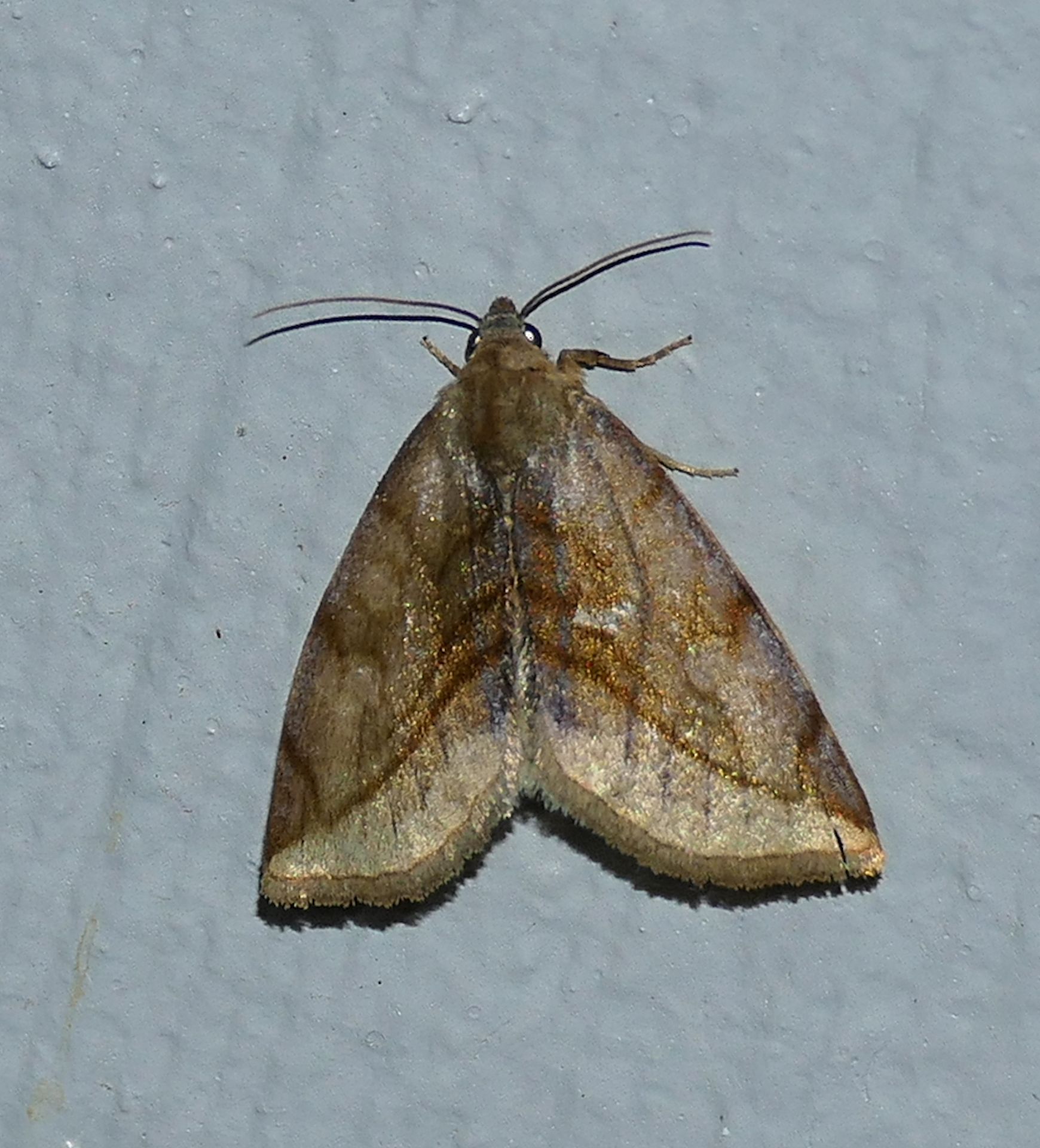
Plagiomimicus ochoa is a of owlet moth in the Noctuidae, first described by William Barnes in 1904. It occurs in North America and is assigned MONA/Hodges number 9740. As a member of the Stiriinae, it belongs to a group of relatively small noctuids often associated with specific plants. The early life stages and detailed of this species remain poorly documented.
Pronunciation
How to pronounce Plagiomimicus ochoa: /plædʒioʊˈmɪmɪkəs oʊˈʧoʊə/
These audio files are automatically generated. While they are not always 100% accurate, they are a good starting point.
Identification
Plagiomimicus ochoa can be distinguished from related by reference to its assigned MONA/Hodges number 9740 in North American classification systems. Within the Plagiomimicus, species-level identification typically requires examination of genitalic characters and comparison with . The specific epithet "ochoa" honors Ron Ochoa, a research entomologist at the USDA-ARS Systematic Entomology Lab, though this etymological connection does not provide diagnostic features.
Images
Distribution
North America. Specific range details within this region are not documented in available sources.
Human Relevance
The epithet "ochoa" recognizes Ron Ochoa, Ph.D., a research entomologist at the USDA Agricultural Research Service Systematic Entomology Lab in Beltsville, Maryland, and a leading authority on mite and microscopy.
Similar Taxa
- Plagiomimicus dimidiataCongeneric also found in North America; both are small noctuids in the Stiriinae. P. dimidiata has been documented from New Mexico, suggesting potential range overlap.
- Other Plagiomimicus speciesMembers of this share similar size, wing shape, and habits, requiring genitalic dissection for reliable separation.
More Details
Etymology
The specific epithet honors Ron Ochoa, Ph.D., a research entomologist and acarologist at the USDA-ARS Systematic Entomology Lab, recognized for his contributions to mite and electron microscopy.
Taxonomic Classification
Placed in Stiriinae, tribe Stiriini, a group of small to medium-sized noctuid whose larvae are often associated with herbaceous plants or woody shrubs.
Data Limitations
Despite being described in 1904, published information on the , , and of Plagiomimicus ochoa remains sparse. The 17 iNaturalist observations suggest it is rarely encountered or underreported.
Sources and further reading
- BugGuide
- Wikipedia
- GBIF taxonomy match
- iNaturalist taxon
- Catalogue of Life
- Kira Meets a Stick Insect | Bug Squad
- Don't Miss This: Maggot Art at the Bohart | Bug Squad
- The Collophore Helps Put the Spring in Springtails
- Of Mites and Men: A Visit to the USDA Electron & Confocal Microscopy Unit
- An Inside Look at How the Varroa Mite's True Diet Was Discovered
- Bug Eric: New Mexico Night Bugs