
Syngrapha selecta
(Walker, 1858)
Chosen Looper Moth
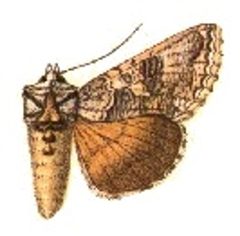
Syngrapha selecta, the chosen looper , is a North American noctuid moth described by Francis Walker in 1858. It has a wingspan of approximately 38 mm and produces one annually. The occupies a broad northern range across and subarctic regions.
Pronunciation
How to pronounce Syngrapha selecta: /sɪnˈɡræfə sɪˈlɛktə/
These audio files are automatically generated. While they are not always 100% accurate, they are a good starting point.
Identification
Can be distinguished from other Syngrapha by geographic range and, where examined, genitalic characters. The specific epithet 'selecta' and Walker authorship help confirm identity against similar congeneric species in northern North America.
Images
Appearance
Wingspan approximately 38 mm. As a member of Plusiinae, likely exhibits the characteristic looper body plan with relatively broad forewings and more slender . Specific wing pattern details are not documented in available sources.
Habitat
and subarctic forest . Associated with plants including birch, blueberry, and willow, suggesting occurrence in mixed woodlands, shrublands, and wetland edges where these plants grow.
Distribution
North America: Northwest Territories to Newfoundland, south to northern Michigan. Present across Canadian zone with limited extension into northern United States.
Seasonality
One per year. activity period not explicitly documented, but typical for noctuids would suggest summer period.
Diet
Larvae have been reared on birch (Betula), blueberry (Vaccinium), and willow (Salix). Natural plant range in the wild is presumed similar but not confirmed.
Host Associations
- birch - larval accepted in rearing
- blueberry - larval accepted in rearing
- willow - larval accepted in rearing
Life Cycle
: one per year. Complete with , larva, pupa, and stages. stage not documented.
Ecological Role
Larval herbivore on woody shrubs and trees. Role in as prey for and not documented.
Human Relevance
No documented economic or cultural significance. Occasionally encountered in biodiversity surveys and entomological collections.
Similar Taxa
- Other Syngrapha species Syngrapha contains multiple similar-appearing looper moths in northern North America; accurate identification often requires examination of genitalic structures or geographic range constraints.